معرفی
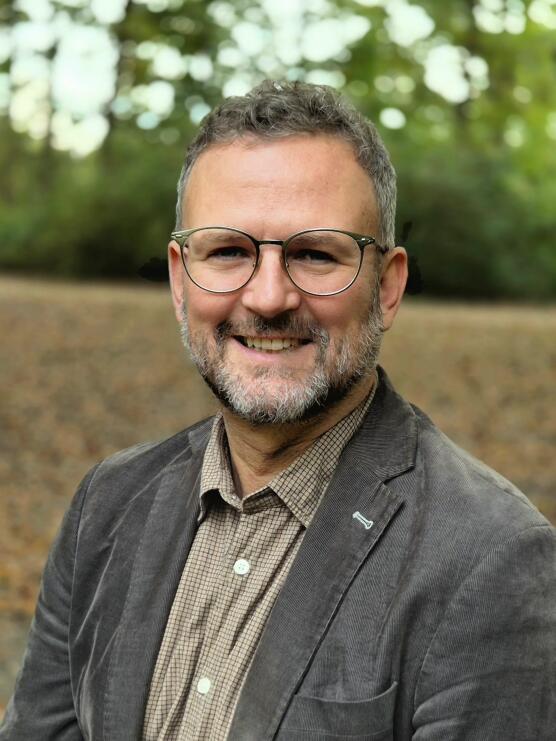
Prof. Dr. Thomas Stodulka is Junior Professor for Social and Cultural Anthropology and Psychological Anthropology at the Institute of Social and Cultural Anthropology, Department of Political and Social Sciences, Freie Universität Berlin. He serves as Head of the department and maintains an active research program focusing on affect and emotion, psychological anthropology, childhood and youth studies, ethnographic methods, and marginalization. His work spans Southeast Asia (particularly Indonesia and Timor-Leste) and European contexts.
Stodulka's research interests center on the intersection of emotion, marginality, and social organization. His work examines practices of care and social mobility among marginalized communities, particularly through long-term ethnographic fieldwork in Indonesia. He has developed innovative approaches to studying affective dimensions of fieldwork and has made significant contributions to psychological anthropology methodology. His current research explores permaculture, school gardens, and how they shape futures in Southeast Asian contexts.
His recent publications demonstrate a strong focus on affective scholarship during pandemic times, orders of feeling, and economies of solidarity during the Covid-19 pandemic across European countries. His work bridges psychological anthropology with public health, education, and environmental studies, particularly through examining school gardens as sites of knowledge circulation and future-making.
Among his notable awards are the Isaac Manasseh Meyer Visiting Fellowship, Humboldt Research Award, and Marie-Skłodowska-Curie-Fellowship. He serves as Associate Editor of Ethos–Journal of the Society for Psychological Anthropology and co-edits the Social Sciences in Asia book series.
Stodulka has supervised numerous doctoral students on topics ranging from emotional dimensions of schizophrenia in Indonesia to women's organizations navigating gender-based violence in Java. He is particularly known for his innovative teaching approaches that include group walking sessions, writing assignments, and world café discussions that emphasize intersectional teaching principles.