معرفی
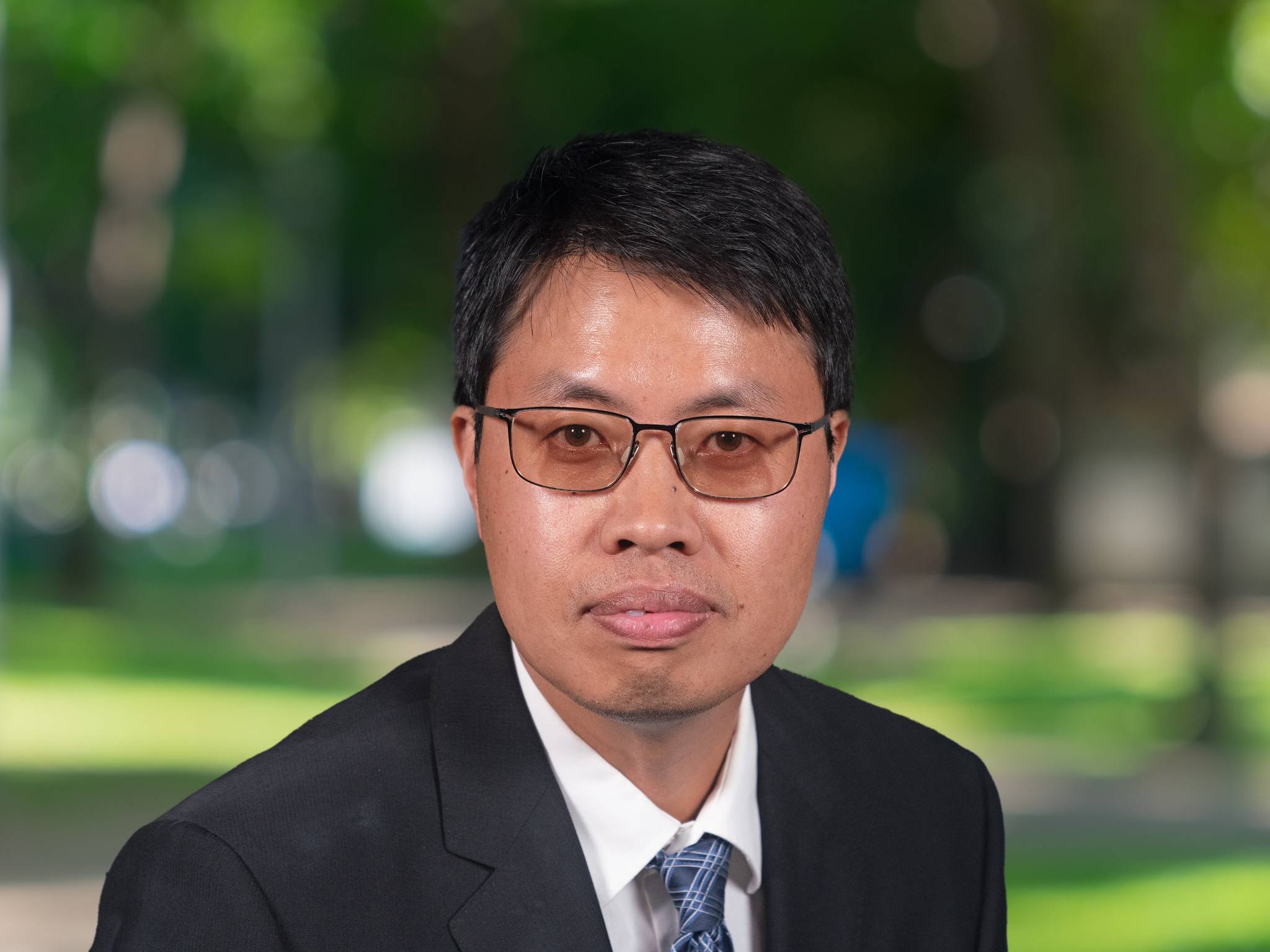
Thomas E. Lachmar serves as an Associate Professor and Undergraduate Mentor in the Department of Geosciences at Utah State University, where he maintains an active research program in hydrogeology and teaches core courses including Groundwater Geology (GEO 5510) and Engineering Geology (GEO 5570). His office is located in Geology 305, and he can be contacted at tom.lachmar@usu.edu.
His academic foundation includes:
- PhD in Geology from the University of Idaho (1989)
- MS in Geosciences from Purdue University (1977)
- BS in Geology from the University of California, Davis (1975)
Lachmar's research spans fracture-flow hydrogeology, geothermal systems, and contaminant transport, with field studies concentrated in Utah and Idaho. His work integrates MODFLOW modeling, geochemical analysis, and field measurements to address challenges in CO2 sequestration, mine drainage remediation, and alpine karst systems. Notable projects include the Snake River Geothermal Drilling Project and hydrogeochemical characterization of CO2-charged fault zones.
Publication trends reveal an evolving focus from 1990s fracture-flow studies at Idaho mines toward contemporary geothermal energy assessment in the Snake River Plain, with consistent emphasis on groundwater-surface water interactions in Cache Valley. His recent work demonstrates sophisticated integration of thermal, chemical, and structural data for energy resource evaluation.
Scientific Recognition:
- No specific awards or fellowships documented in source materials
Lachmar has mentored 20 graduate students since 1993, supervising research on topics ranging from abandoned mine drainage to geothermal reservoir characterization. His collaborative network prominently features J.P. Evans and colleagues at Utah State University, with joint publications spanning structural hydrogeology and energy-related projects. While explicit grant details are absent, his extensive fieldwork suggests sustained external funding.
His research operates within Utah State University's geoscience ecosystem, contributing to initiatives like the USU Water Initiative and collaborating with structural geologists on projects examining fault zone hydrology across the western U.S.