معرفی
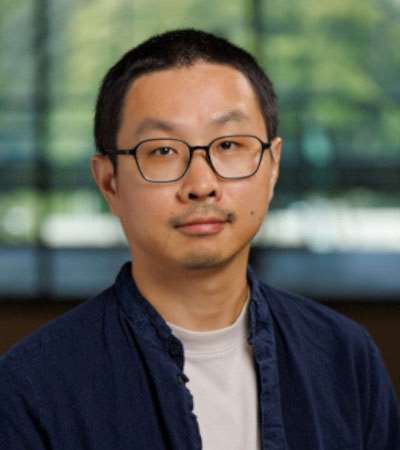
Thomas Durcan is an Associate Professor in the Department of Neurology and Neurosurgery at McGill University's Montreal Neurological Institute-Hospital (The Neuro), where he directs the Early Drug Discovery Unit (EDDU). With over 15 years at the institution, he leads a team of 40+ researchers developing stem cell-based models for neurological disorders through open science practices.
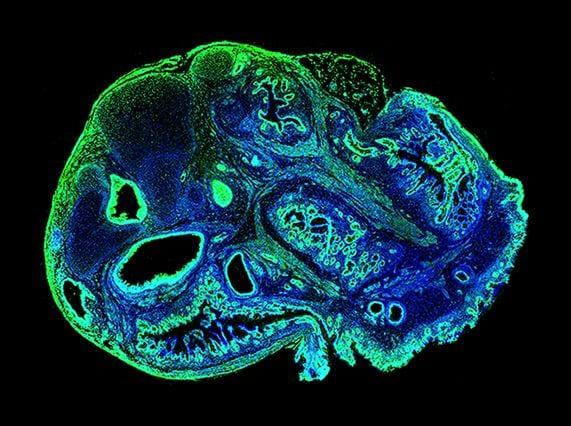
His research focuses on applying patient-derived induced pluripotent stem cells (iPSCs) to create phenotypic discovery assays and 3D organoid models for neurodegenerative (e.g., Parkinson's, ALS) and neurodevelopmental disorders. Key methodologies include CRISPR genome editing, multiOmics approaches, and physiological disease modeling to elucidate pathological mechanisms and accelerate therapeutic development through academic-industry partnerships.
Analysis of his 15 recent publications (2021-2023) reveals a consistent emphasis on technical innovation in organoid generation and disease modeling. Key trends include CRISPR-engineered isogenic iPSC lines for ALS, α-synuclein aggregation studies in midbrain organoids, and advanced hydrogel-based tissue engineering, all targeting mechanistic insights for therapeutic discovery.
Notable scientific recognition includes:
- First recipient of The Cyril and Dorothy, Joel and Jill Reitman Foundation Prize for Open Science in Action (2019)
- Neuro Killam Scholar
- Neuro Killam Trust Memorial Fund recipient
Dr. Durcan oversees extensive research mentoring within the EDDU framework, supported by major funding from CIHR, CQDM, Brain Canada, McGill’s Healthy Brains for Healthy Lives initiative, and the Michael J Fox Foundation. His strategic focus integrates cutting-edge stem cell technology with translational pipelines for neurological therapeutics.
The EDDU operates as a collaborative hub under Dr. Durcan's leadership, combining stem cell biology, CRISPR editing, and organoid systems to develop physiological disease models. Current projects emphasize scalable organoid production and multiOmics validation for target identification in partnership with academic and industry stakeholders.