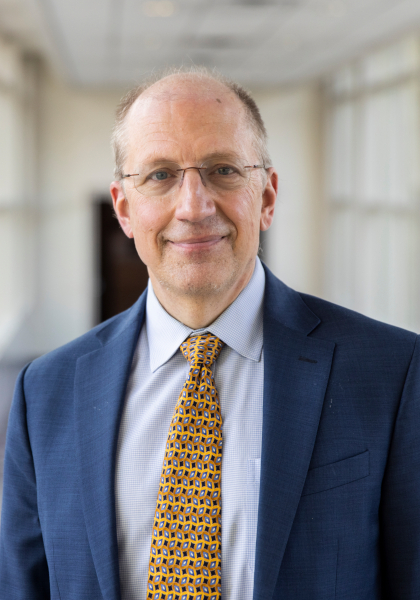
معرفی
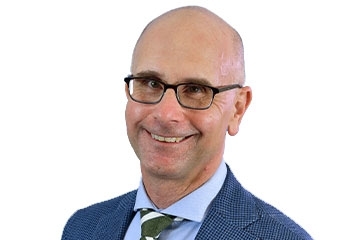
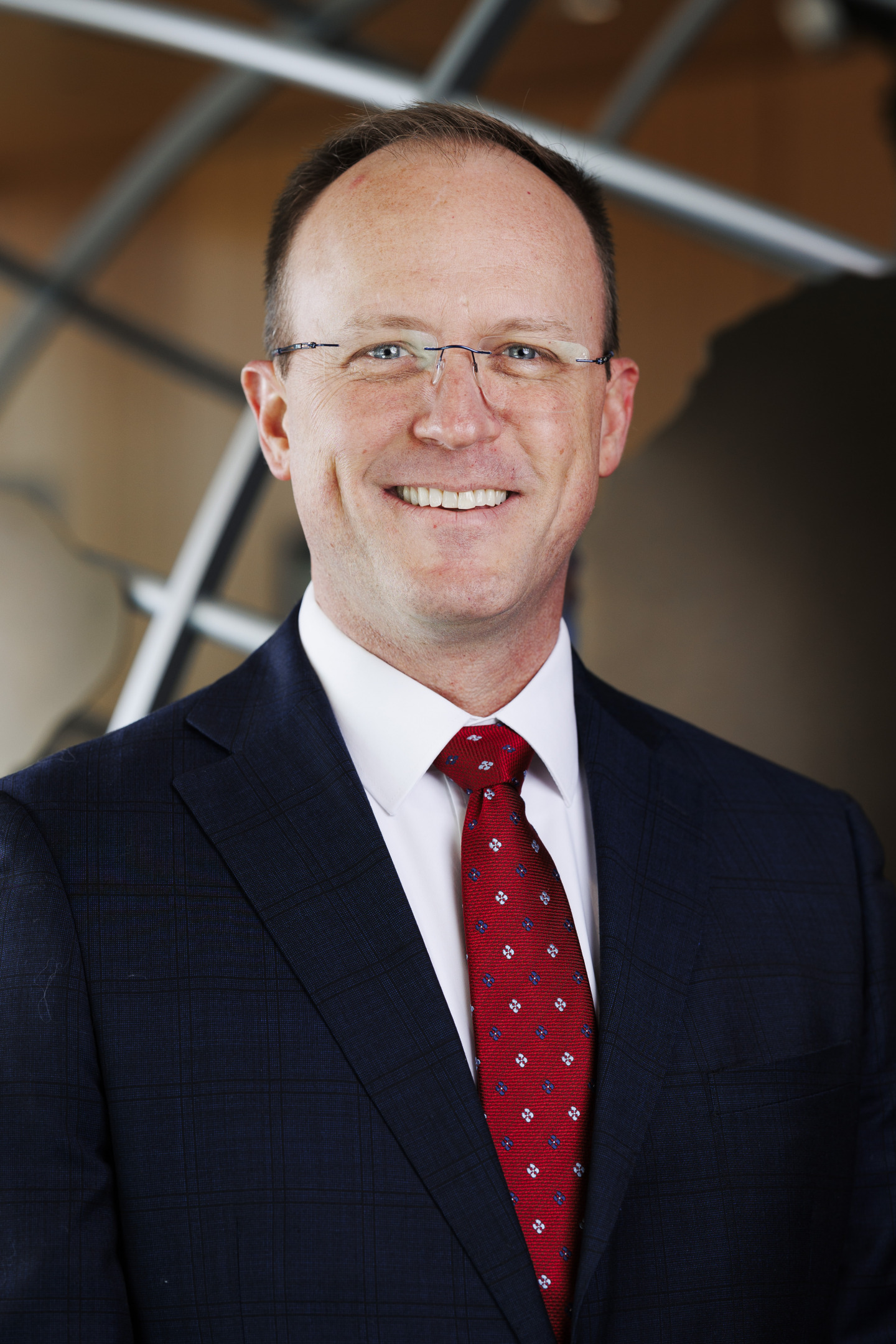
Thomas C. Berg is the James L. Oberstar Professor of Law and Public Policy at the University of St. Thomas School of Law, where he teaches constitutional law, religious liberty, and intellectual property. He supervises the religious liberty appellate clinic, guiding students in drafting Supreme Court briefs. Berg is a nationally recognized scholar in law and religion, with extensive publications cited by federal courts.
- University: University of St. Thomas
- School: School of Law
- Academic Rank: Professor
Education:
- B.S. in Journalism, Northwestern University
- M.A. in Philosophy and Politics, Oxford University (Rhodes Scholar)
- M.A. in Religious Studies, University of Chicago
- J.D., University of Chicago Law School
Berg’s research focuses on religious liberty, church-state relations, free speech, and the ethical dimensions of intellectual property. He explores how religious freedom intersects with LGBTQ rights, abortion, and social justice, advocating for common ground in polarized legal debates. His work often integrates Catholic social thought and constitutional theory.
His recent scholarship analyzes polarization in religious freedom disputes, the Respect for Marriage Act, and the role of history and tradition in First Amendment jurisprudence. He frequently collaborates with leading scholars like Douglas Laycock and contributes to public discourse through blogs such as SCOTUS Blog and Mirror of Justice.
Scientific Awards:
- National book award from Notre Dame Law School
- Award from the Seventh-day Adventist Church
- Christianity Today book award
- Recognition from the Immigrant Law Center of Minnesota
- DePaul University College of Law award
- Association of Jesuit Colleges and Universities honor
- Christian Legal Society recognition
Berg has held leadership roles including Associate Dean for Academic Affairs and co-director of the Murphy Institute for Catholic Thought, Law, and Public Policy. He co-chairs the Working Group on Law and Technology and serves on the Institute for AI for the Common Good. He has testified before Congress and state legislatures and has been a visiting professor in France, Hungary, and Italy.
He mentors students through clinical supervision and independent research. His interdisciplinary approach bridges law, ethics, theology, and public policy, emphasizing the role of religion in democratic society.