معرفی
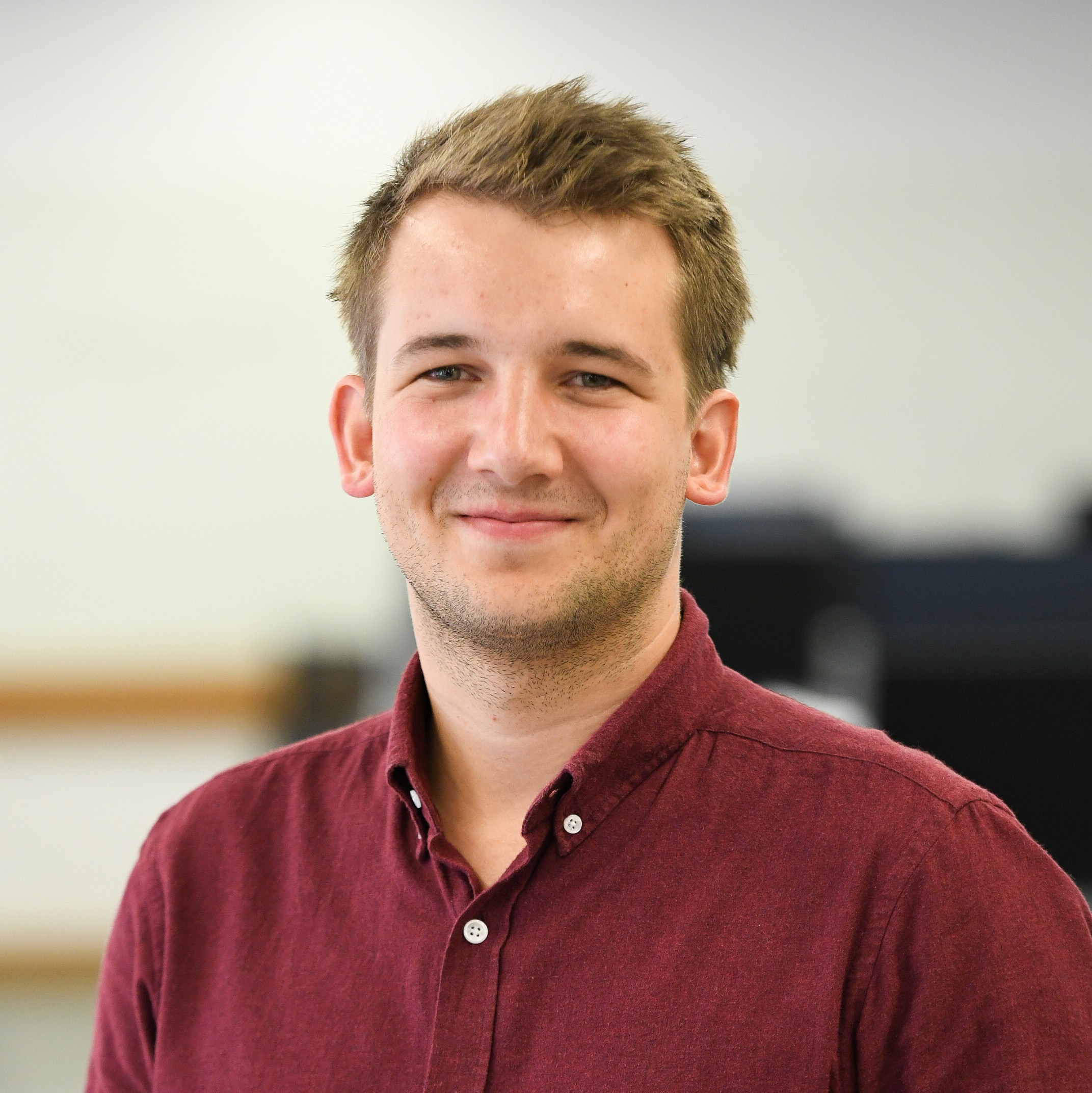
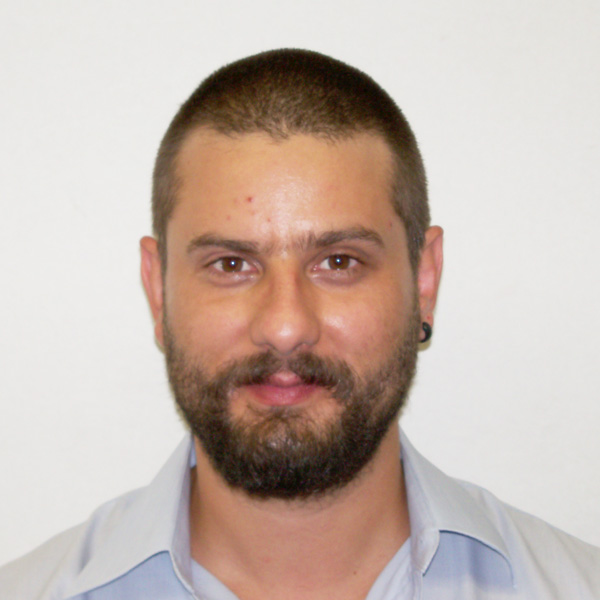
Theo Damoulas is a Professor of Machine Learning at the University of Warwick with a joint appointment in the Department of Computer Science and Statistics. He is a Turing AI Fellow (2021-2026) through UK Research and Innovation, an ELLIS member, and a Visiting Professor at New York University's Center for Urban Science and Progress (CUSP). He founded and leads the Warwick Machine Learning Group and has directed major projects at The Alan Turing Institute including Project Odysseus and the London Air Quality project.
Education includes:
- PhD in Probabilistic Multiple Kernel Learning (University of Glasgow, 2009)
- MSc in Informatics (Distinction, University of Edinburgh, 2004)
- MEng in Mechanical Engineering (1st Class, University of Manchester, 2003)
His research focuses on probabilistic machine learning and Bayesian statistics, emphasizing the integration of structural priors, spatiotemporal dependencies, physical laws, and causal relationships. Key applications include Digital Twins, urban science, and computational sustainability. His work advances robust and scalable inference methodologies for complex real-world systems.
Publications demonstrate strong emphasis on Bayesian methods, spatiotemporal modeling, and uncertainty quantification, with applications spanning battery modeling, urban mobility, federated learning, and causal inference. Recent work shows increased focus on physics-informed models, federated learning frameworks, and causal abstraction techniques.
Major scientific awards:
- Turing AI Acceleration Fellowship (2021-2026)
- Best Paper Awards (Wilkes 2024, AISTATS 2022, IEEE ICMLA 2010)
- ACM SIGMOD Most Reproducible Paper (2017)
- Dissertation Award (Classification Society 2012)
- Teaching Excellence nominations (Warwick 2015-2017)
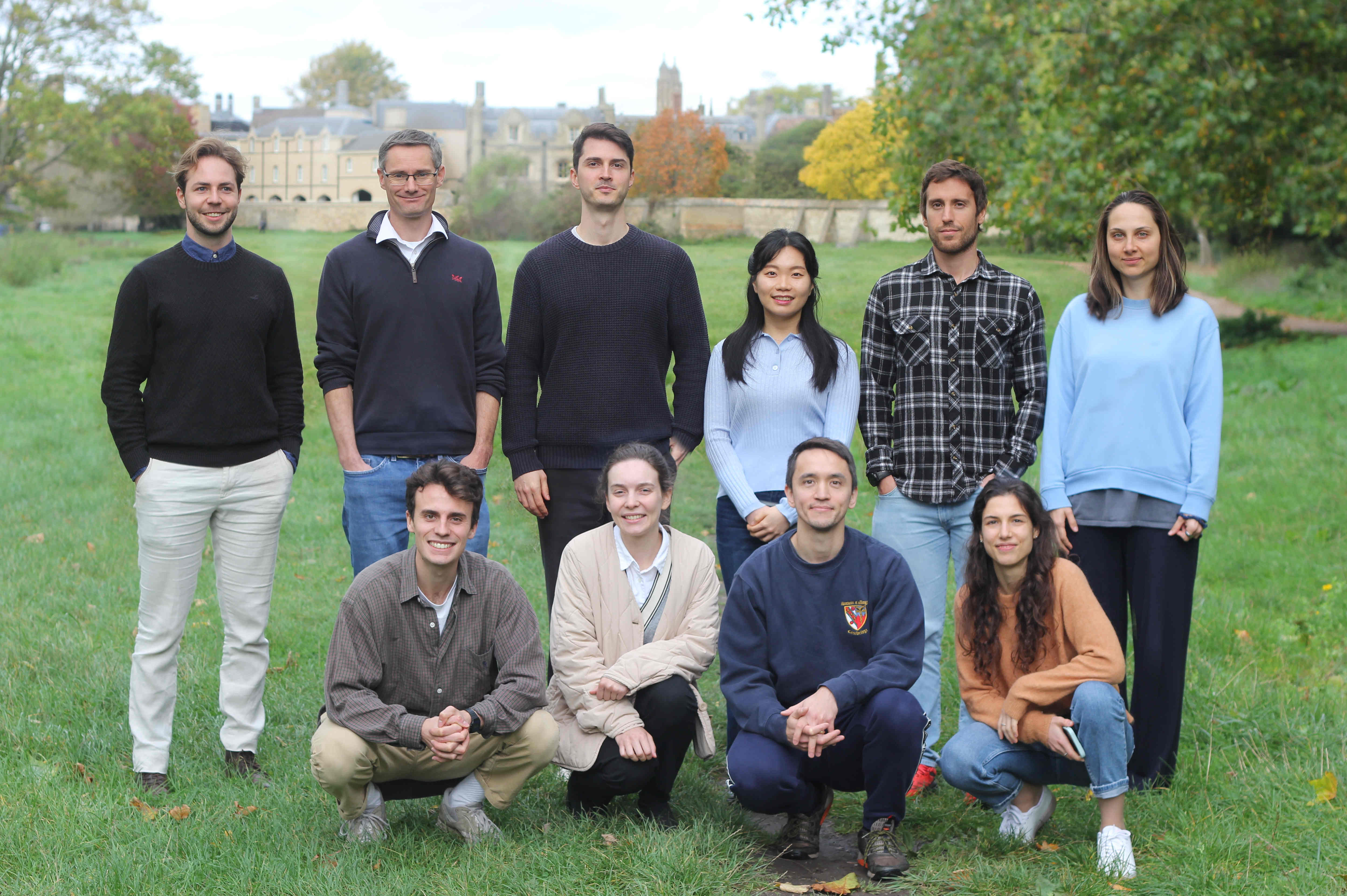
He actively advises PhD students and secured significant grants including the £multi-million Turing AI Fellowship. Current doctoral researchers investigate federated learning, causal inference, and spatiotemporal modeling. He leads the Warwick Machine Learning Group, a cross-departmental team developing foundational ML methods for scientific and societal challenges.