معرفی
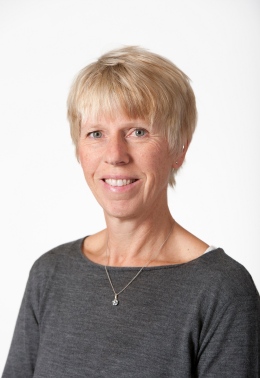
Tanja Schult is an Associate Professor and University Lecturer in Art History at Stockholm University's Department of Culture and Aesthetics. She has established herself as a leading scholar in memory culture, visual studies, and monument studies with a particular focus on 20th century historical trauma.
Schult received her PhD from Humboldt University in Berlin with a dissertation on Raoul Wallenberg in contemporary monuments, published as A Hero's Many Faces (Palgrave Macmillan 2009). In 2017, she was promoted to Associate Professor at Stockholm University.
Her research focuses on interpreting image production as part of historical processes, particularly examining how violent historical events continue to affect people's experiences across time and space. Schult's work is highly interdisciplinary, drawing from cultural studies, history, sociology, and psychology. Key areas include memory cultures, visual and material culture, public and political art, especially monuments/memorials.
Her scholarly publications reveal a consistent trajectory examining memorialization practices, with particular attention to Holocaust commemoration and historical trauma representation. Schult investigates how monuments function as sites for democratic engagement, social justice, and critical debate, analyzing both their intentional design and public reception.
- Principal investigator for Monumentens demokratiska potential: Platser för deltagande, social rättvisa och kritisk debatt (The Democratic Potential of Monuments)
- Co-leader of Tänk om, tänk nytt – monument i 2000-talets demokratier (Rethink & Reload! Monuments in 21st Century Democracies)
- Completed project Making the Past Present: Public Perceptions of Performative Holocaust Commemoration Since the Year 2000 (2015-2019) with Diana Popescu
- Previously led Förintelsen i svensk konst (The Holocaust in Swedish Art) with Henrik Rosengren
Schult maintains an active scholarly presence through her blog Monumental Journey and has presented her work internationally at venues including the Museum of the History of the Polish Jews in Warsaw. Her research demonstrates a commitment to understanding how visual culture functions as a site for democratic engagement in contemporary societies.