معرفی
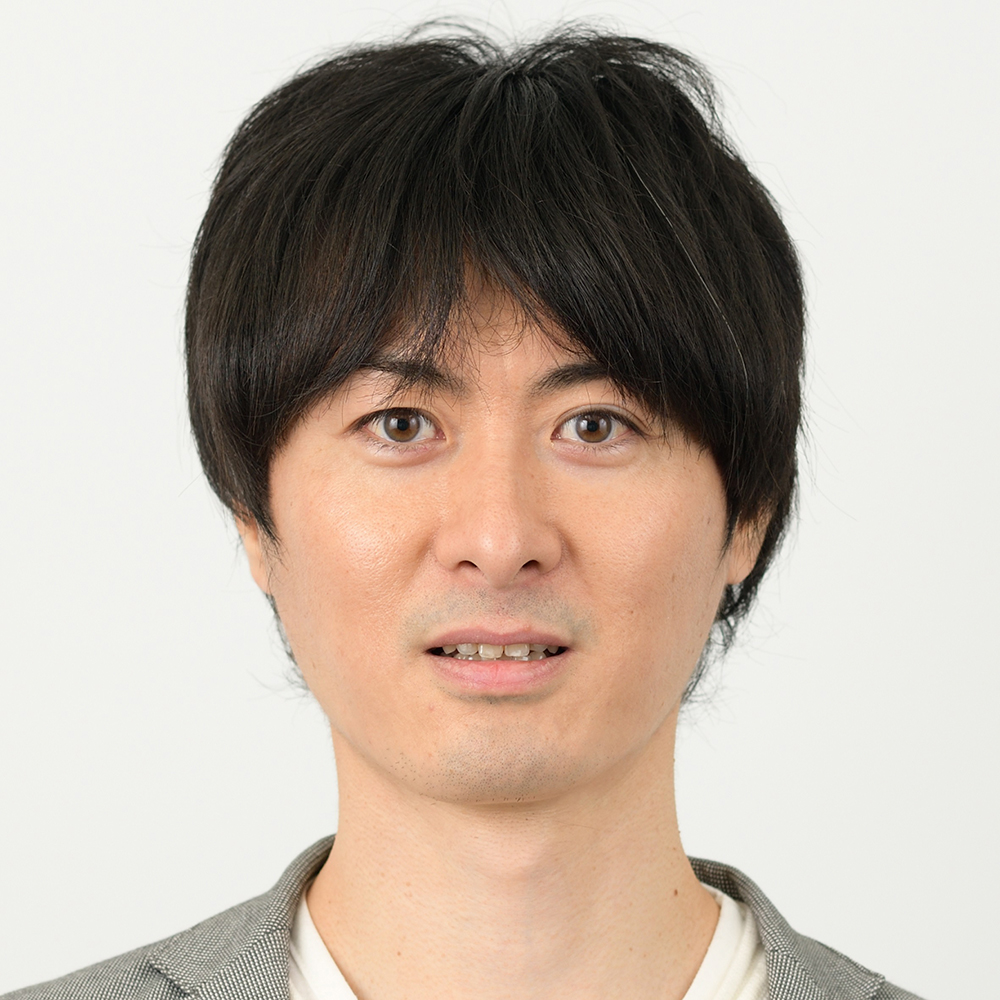
Takamitsu Watanabe is a Professor at the International Research Center for Neurointelligence (IRCN) at the University of Tokyo, where he leads a research laboratory focused on understanding the neural mechanisms underlying human intelligence and neuropsychiatric conditions. Previously, he served as an Associate Professor at IRCN (2020-2025) and Deputy Team Leader for the Miyashita lab at RIKEN Center for Brain Science (2018-2020). His research spans multiple disciplines within neuroscience, with a particular emphasis on how brain dynamics relate to cognitive functions and disorders.
Watanabe received his M.D. from The University of Tokyo in 2007, completed his medical training there, and earned his Ph.D. in 2013 under Professor Yasushi Miyashita as a JSPS Research Fellow. He conducted post-doctoral research with Professor Geraint Rees at University College London under both JSPS and Marie-Curie Research Fellowships.
His primary research interests focus on the dynamic nature of human cognition and its neural underpinnings. Watanabe investigates how large-scale brain network architecture, global and local neural dynamics relate to both typical and atypical cognition, with particular emphasis on conditions like autism, schizophrenia, and epilepsy. His work has pioneered the application of energy landscape analysis to understand brain activity patterns, revealing how neural stability and flexibility relate to cognitive functions. Recent research has expanded to examine parallels between brain dynamics in neuropsychiatric conditions and artificial intelligence systems, particularly large language models.
Analysis of Watanabe's publication record reveals a consistent focus on neural dynamics as a framework for understanding cognition. His work has evolved from foundational studies on brain network dynamics in autism to more recent investigations of neural mechanisms in Alzheimer's disease and comparative analyses between human brain activity and AI processing. A distinctive thread throughout his research is the innovative application of mathematical and computational approaches to neuroimaging data, particularly energy landscape analysis, to quantify neural dynamics in ways that correlate with behavioral and cognitive measures.
- NeuroCreative Award
- RIKEN Excellent Achievement Award
- JSPS Research Fellowship
- Marie-Curie Research Fellowship
Watanabe actively mentors researchers in his laboratory, including postdoctoral fellows like Dr. Shota Murai (awarded a JSPS post-doc fellowship) and Dr. Agnes Gao, as well as students like Daichi Watanabe. His research is supported by numerous prestigious grants including KAKEN, JSPS, European Council funding, Wellcome Trust, and several Japanese research initiatives including the Moonshot R&D Program and SIP. His laboratory at WPI-IRCN utilizes a multidisciplinary approach combining human behavioral experiments using fMRI, EEG, TMS, TUS and motion capture devices with computational and data science methods.
Watanabe's laboratory at the IRCN is a vibrant research environment that brings together neuroscientists, psychologists, and computational scientists. The lab has established collaborations with international institutions, including Brown University (with Professor Sanes) and European research centers. Current research directions include developing non-invasive neural stimulation techniques to modulate brain dynamics in neurodevelopmental conditions, investigating the neural basis of comorbid conditions like ASD/ADHD, and exploring parallels between brain dynamics and AI processing. The lab actively recruits PhD students and postdoctoral researchers, particularly those with computational backgrounds or fellowship support.