معرفی
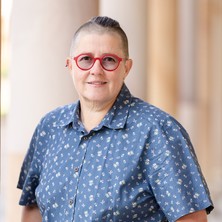
Dr. Sylvia Nissen is a Senior Lecturer in the Department of Environmental Management at Lincoln University's Faculty of Environment, Society and Design. A political scientist and human geographer, she specializes in civic engagement, environmental politics, and disaster studies. Her research critically examines participatory democracy and environmental governance, focusing on how communities shape environmental futures and navigate crises including climate change, biodiversity loss, and disaster response.
Dr. Nissen's educational background includes:
- PhD from the University of Canterbury, New Zealand
- MEnvSc (Research & Coursework) from Monash University, Melbourne, Australia
- BA (Honors) from the University of Canterbury, New Zealand
Her research interests span environmental politics, participatory democracy, disaster studies, and social justice. She examines how people participate in times of crisis through youth politics, volunteerism, climate activism, and community-led biosecurity responses. Dr. Nissen critically analyzes public engagement practices in government and foregrounds experiences of marginalization within political systems, specializing in qualitative social research methods.
Dr. Nissen's recent publications demonstrate a strong focus on the intersection of crisis, community action, and environmental governance. Her work explores disaster volunteering, climate emergency declarations, crisis communication for linguistic minorities, and the civic legacies of disaster for youth political agency. A recurring theme is how crises create opportunities for democratic innovation and community-led responses to environmental challenges.
Her notable scientific achievements include:
- Lincoln University Teaching Award (2019, Early Career)
- Conference prize 'Outstanding Relevance to Recent Events', UK Political Studies Association Early Career Network Conference (2020)
- Kate Sheppard Memorial Prize (2013)
Dr. Nissen currently leads or co-leads several significant research projects including Bioprotection Futures (2025-28), Transforming Crisis Communication for Linguistic Minority Communities (2023-25), and Whatu raranga o ngā koiora: Weaving cultural authority into gene-drives targeting wasps (2024-28). She has previously led the Youthquake project (2019-22) examining the civic legacies of student mobilization after the Canterbury earthquakes. She has supervised postgraduate research on topics including land reform in the Philippines and community struggles in the Brazilian Amazon, though she is not currently accepting new PhD students.
Her research is often conducted through transdisciplinary collaborations, working with teams across multiple institutions and involving community partners. She contributes to the Bioprotection Aotearoa CoRE and has been involved in projects examining youth experiences across seven international cities through the CYCLES project.