معرفی
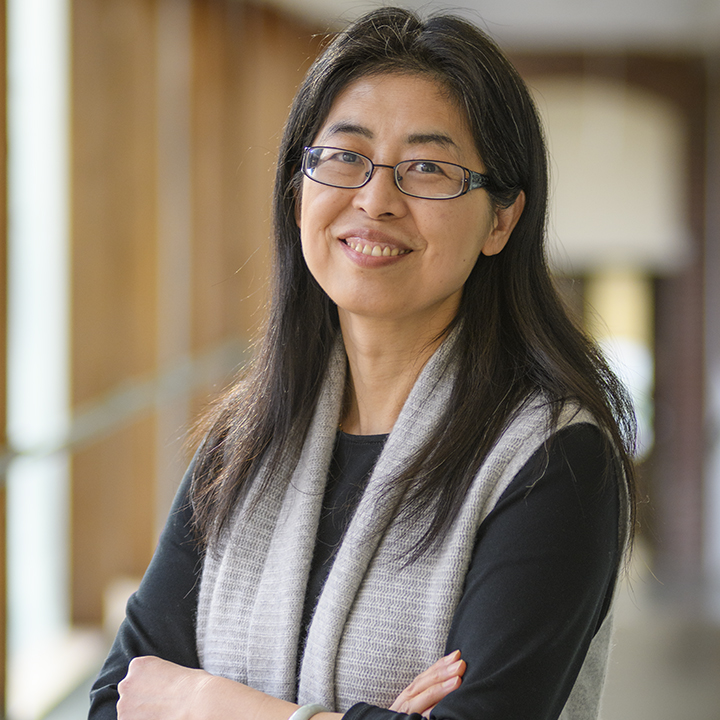
Susan Marqusee is a Professor of Molecular and Cell Biology at the University of California, Berkeley. Her research focuses on understanding protein energy landscapes, folding dynamics, and their implications for cellular processes and disease. Her laboratory employs biophysical, structural, and computational techniques to study protein stability, misfolding, and conformational changes relevant to amyloid diseases. Key projects include investigating the folding mechanisms of ribonuclease H, the structural basis of thermostability in extremophile proteins, and the role of non-native states in protein function and aggregation. She has pioneered methods like hydrogen-deuterium exchange mass spectrometry (HDX-MS) and X-ray footprinting to probe protein dynamics.
Research interests center on protein folding pathways, energy landscape models, and applications in drug design. Her work on SARS-CoV-2 spike protein dynamics and antibody interactions highlights translational biomedical impacts. Methodological innovations include integrating single-molecule techniques with structural biology approaches to study co-translational folding and ribosome-nascent chain interactions.
Publications reflect expertise in protein energetics, viral spike proteins, GPCR activation mechanisms, and ubiquitin-mediated degradation pathways. Her studies on RNase H structure-function relationships contribute to antiretroviral therapy development. Current projects explore evolutionary trends in protein stability and the role of termini in folding efficiency.