معرفی
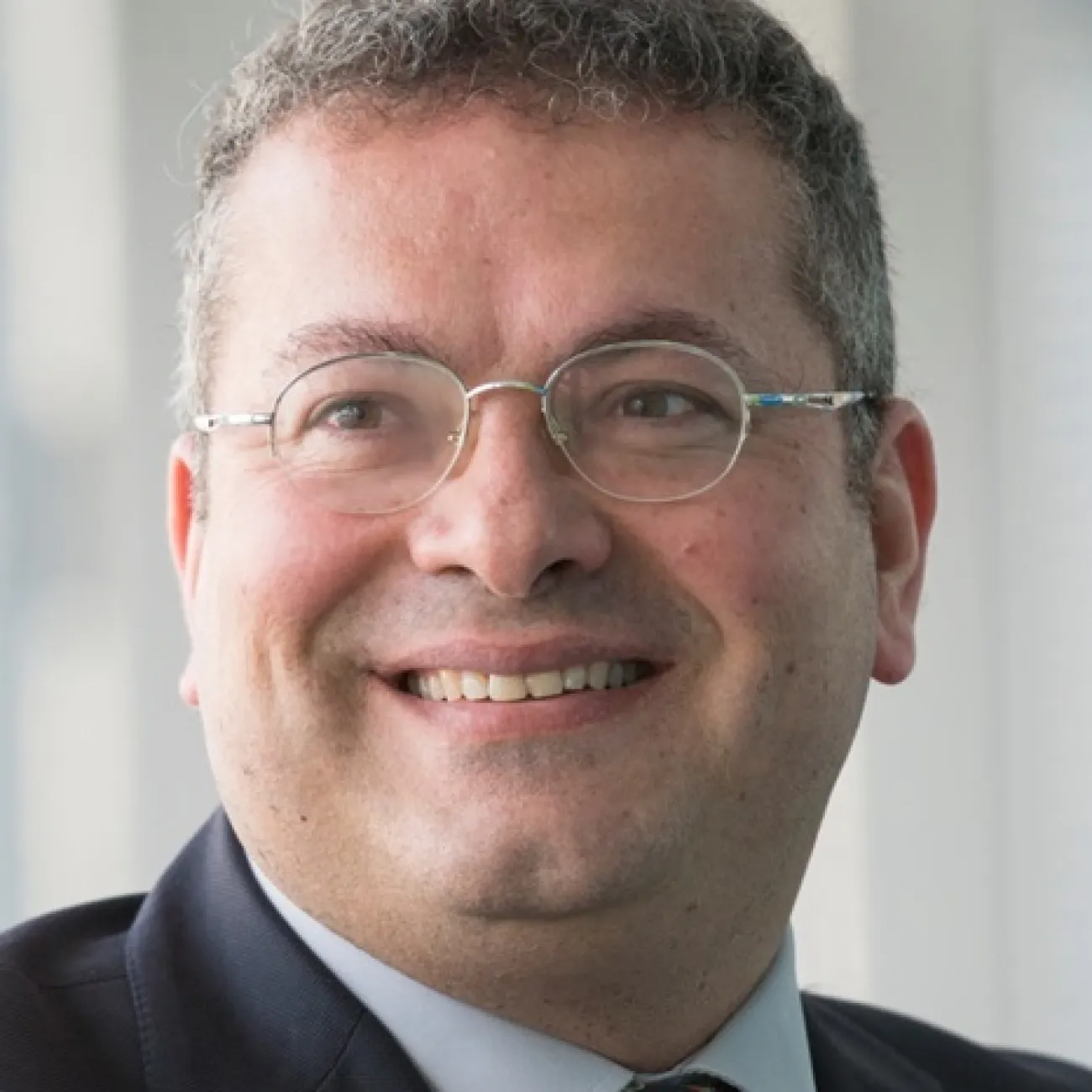
Suleiman Sharkh is Professor of Electrical Machines and Drives at the University of Southampton within the Faculty of Engineering and Physical Sciences. His primary affiliation is with the Department of Electrical and Electronic Engineering, where he leads research in critical energy technologies. His work spans multiple interdisciplinary groups including Mechatronics Southampton, the Southampton Marine and Maritime Institute, Ocean Energy research, and Maritime Decarbonisation initiatives.
Professor Sharkh's research focuses on electric machines, power electronics, and microgrids, with specialized expertise in battery management systems, energy harvesting, and electromagnetic field effects on aquatic life. His current projects investigate novel power electronic converters for grid-battery interfaces, hybrid dual-chemistry battery characterization, multi-degree-of-freedom actuators for vibration control, and electromagnetic guidance systems for fish migration. His work bridges theoretical innovation with commercial applications in marine propulsion, renewable energy integration, and electric vehicle infrastructure.
Analysis of his recent publications reveals strong trends in electrification of marine systems (rim-driven thrusters, tidal turbines), advanced battery-grid interfaces (electrochemical impedance spectroscopy, hybrid chemistries), and bioelectromagnetic applications (fish behavior studies). His work consistently addresses real-world challenges in energy security, system reliability, and environmental sustainability through rigorous experimental validation.
- Scientific Awards
- The Engineer Energy Innovation and Technology Award (2008) for rim-driven marine thrusters
- Royal Academy of Engineering ExxonMobil Teaching Excellence Award (2013)
Professor Sharkh actively supervises five PhD students while leading major research projects funded by EPSRC, Innovate UK, and industry partners. His current grants include the FEVER project on electric vehicle networks, Shark S research exchanges with China/India, and investigations into electromagnetic effects on eel migration. His laboratory work focuses on high-speed electrical machines, battery characterization rigs, and electromagnetic field exposure systems for biological studies. Future work emphasizes maritime decarbonization through integrated power electronics and machine design for zero-emission vessels.