معرفی
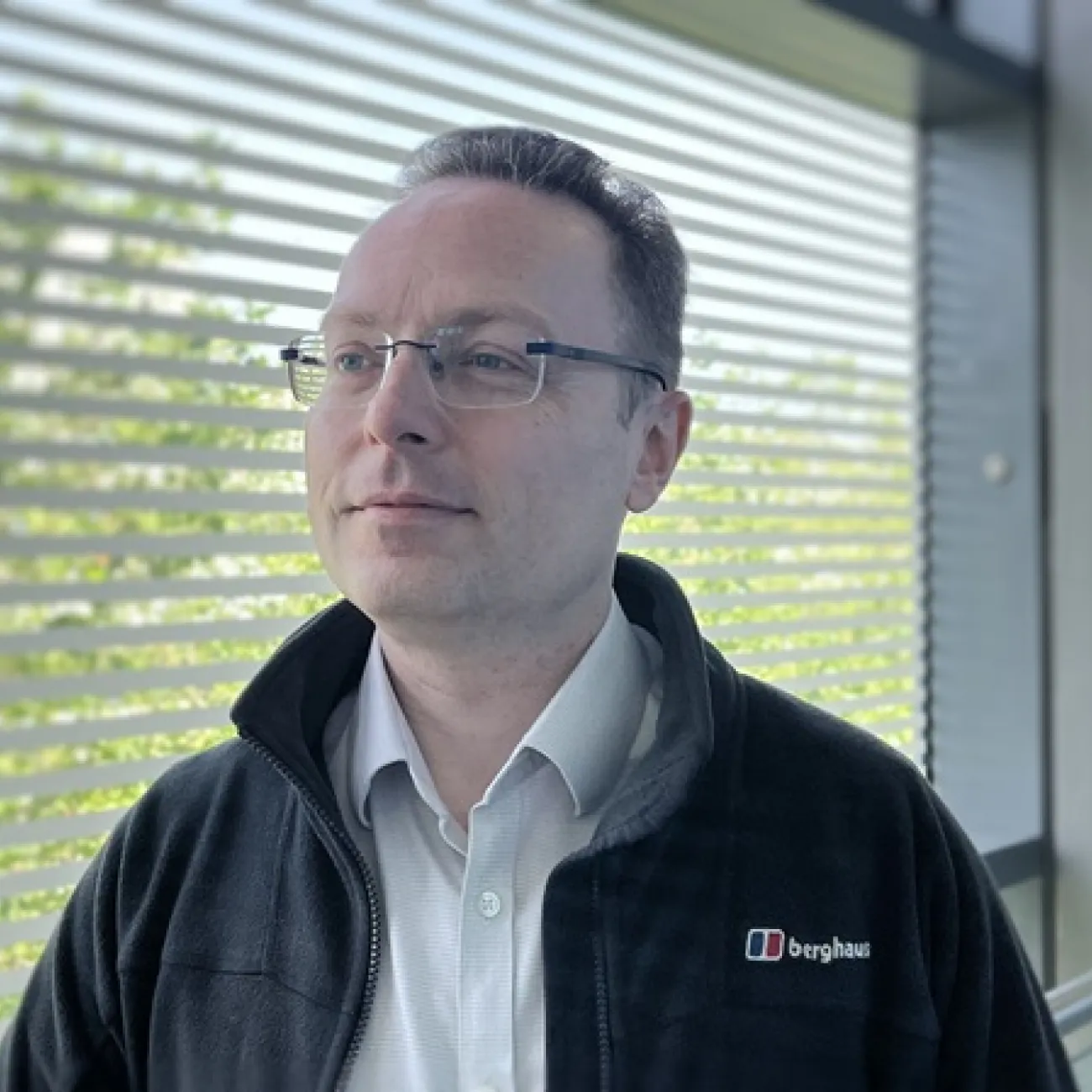
Stuart E. Middleton is a Professor in the Electronics and Computer Science (ECS) department at the University of Southampton, where he has been employed since 2003. His research bridges artificial intelligence with practical applications in social science, mental health, and security domains. He leads multiple research projects funded by DTP and CISDnS CDT, focusing on multimodal natural language processing and large language models for social good applications.
Professor Middleton's research interests center on Natural Language Processing, Large Language Models, and Human-in-the-loop AI systems. His work spans mental health applications (particularly suicide risk detection and mood change analysis), social media analysis for crisis mapping, geoparsing for location extraction, and argument mining in political discourse. He has developed numerous open-source NLP projects and datasets including CPIQA for climate science, ConversationMoC for mental health monitoring, and M-Arg for multimodal argument mining. His research demonstrates how AI can effectively support human decision-making in critical domains like mental healthcare, defense applications, and crisis management.
His recent publications reveal a strong trend toward applying LLMs to high-impact societal challenges, particularly in mental health monitoring and climate science verification. He has pioneered methods for detecting suicidal ideation in social media, identifying moments of mood change, and developing context-aware question answering for climate papers. His work consistently emphasizes the importance of human oversight in AI systems, with numerous publications on responsible AI, regulation, and human-in-the-loop approaches.
- Ranked 1st in ECAL-2024 shared task on suicidal ideation detection
- Ranked 1st in NAACL-2022 shared task on suicide risk and mood change classification
- Winner of 'best paper' award at WWW2002 Semantic Web Workshop
Professor Middleton actively supervises PhD students through multiple funded projects including 'Multimodal Natural Language Processing for Computational Social Science', 'Large Language Models for Military Veteran Mental Health', and 'Large Language Models for Human/AI Information Foraging to Combat Digital Human Trafficking into Terrorism'. He has secured significant funding from UKRI, DSTL, and other sources to support his research in responsible AI applications. He organizes major workshops including the RAI UK Workshops on Responsible AI for Mental Health and AIUK workshops on AI for Data Rescue and Defense applications. His research group maintains numerous GitHub repositories with open-source NLP tools and datasets that have been widely adopted by the research community.