معرفی
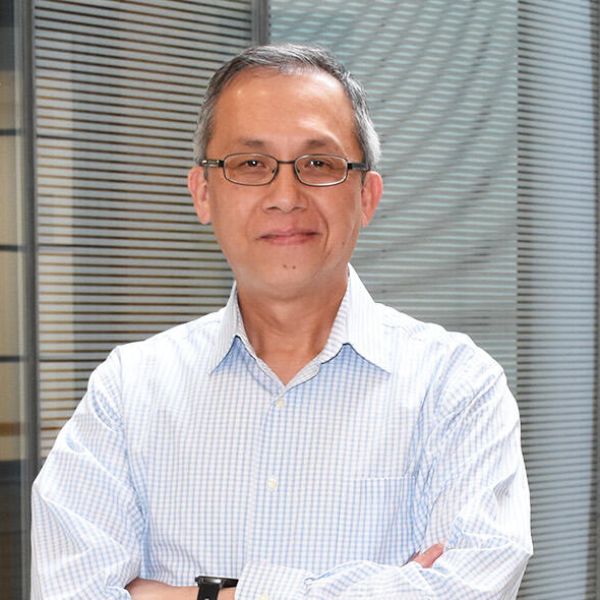
Steven Tang is an Assistant Professor in the Department of Molecular Biophysics and Biochemistry at Yale University. His research focuses on decoding and rewiring cell-surface interactomes for cell-cell fusion and signaling, combining structural biology, protein engineering, and immunology.
Education: PhD in Biochemistry, Molecular and Cell Biology from Cornell University (2016); BS in Pharmacy from Peking University (2010). Postdoctoral training at Stanford University under the Merck Fellowship of the Damon Runyon Cancer Research Foundation.
Research interests include membrane fusion mechanisms in fertilization and infectious diseases, vaccine design (e.g., nanoparticle-based SARS-CoV-2 vaccines), and protein engineering for immunotherapy. His lab aims to establish design principles for therapeutic strategies in regenerative medicine and infectious diseases.
Notable achievements include the NIH K99/R00 award and development of a stable nanoparticle vaccine. Recent work explores mitochondrial roles in sperm motility and antigen reorientation strategies for vaccines.
- Awards:
- Cornell FIRST Scholar (2022)
- NIH Pathway to Independence Award (2021)
- Merck Fellow (2017)
- Harry and Samuel Mann Award (2015)
Teaching includes courses on macromolecular structure and biochemistry. Lab members engage in interdisciplinary projects, with recent recognition like Taylor Gierke's NSF Graduate Fellowship.
The Steven Tang Lab at Yale focuses on molecular mechanisms of membrane fusion, with applications to fertility and infectious disease therapies.