معرفی
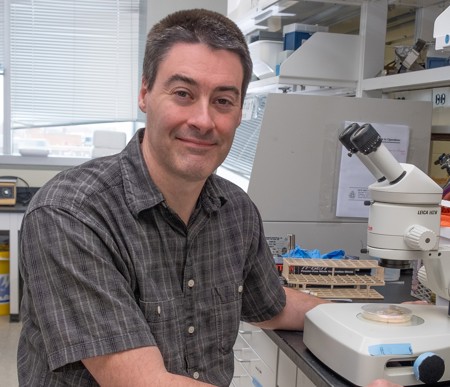
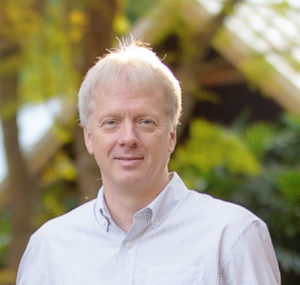
Stephen Winans is a Professor in the Department of Microbiology at Cornell University's College of Agriculture and Life Sciences (CALS). He joined the Cornell faculty in 1988 and has been a prominent researcher in the field of bacterial communication and quorum sensing.
Dr. Winans earned his PhD at the Massachusetts Institute of Technology in 1984 studying conjugative drug resistance plasmids, and completed post-doctoral work at the University of Washington studying Agrobacterium tumefaciens, which causes tumors on host plants.
Dr. Winans' research focuses on bacterial communication systems, particularly quorum sensing. His laboratory has made significant contributions to understanding how bacteria detect chemical signals to coordinate their behavior. Beginning in the early 1990s, his lab broadened its focus to study how bacteria detect chemical signals released by sibling bacteria, contributing to the understanding of quorum sensing, a term his group helped coin. His work primarily involves studying Agrobacterium tumefaciens, Burkholderia cenocepacia, and Yersinia enterocolitica. His lab has published 98 original research articles, 15 review articles, and 12 book chapters, and he has edited two books on cell-cell signaling in bacteria.
Analysis of Dr. Winans' recent publications reveals a continued focus on bacterial communication mechanisms, particularly quorum sensing systems. His research spans molecular microbiology, bacterial genetics, and chemical ecology, with applications in understanding bacterial pathogenesis and developing potential antimicrobial strategies. His work often involves structural analysis of signaling proteins and their interactions with DNA.
- Outstanding Accomplishments in Basic Research Award (2014) from CALS, Cornell University
- Fellow of the American Academy of Microbiology (2003)
Dr. Winans has served on several funding panels for the National Institutes of Health and the National Science Foundation. He has organized two ASM conferences focused on cell-cell communication. His teaching responsibilities include General Microbiology Lectures (BIOMI 2900), Microbiology of Human Contagious Disease (BIOMI 2600), and a graduate-level course in bacterial pathogenesis.
Dr. Winans' laboratory has been at the forefront of quorum sensing research, making fundamental discoveries about how bacteria communicate through chemical signals. His work with Agrobacterium tumefaciens has provided key insights into the molecular mechanisms of bacterial signaling systems.