معرفی
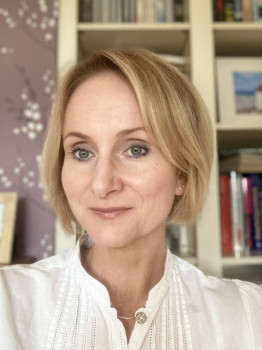
Stans C.H.C. Drossaert serves as Associate Professor in the Department of Psychology, Health & Technology at the University of Twente, specializing in psychological interventions for chronic illness management and mental wellbeing. His research bridges clinical psychology and digital health innovation, with significant contributions to self-compassion frameworks and patient-centered care models.
Drossaert's research program centers on self-compassion and positive psychology applications across diverse clinical populations. He develops technology-mediated interventions—particularly mobile applications—to address mental health challenges in cancer care, neurodegenerative diseases like ALS, and caregiver support systems. His methodology emphasizes mixed-methods approaches and pragmatic randomized trials to ensure real-world applicability, with recent work focusing on personalized aftercare for breast cancer patients and digital mental health tools for parents of neurodivergent children.
Analysis of his recent publications reveals a strong trajectory toward scalable digital mental health solutions, particularly app-based self-compassion and mindfulness programs. These studies consistently target underserved emotional needs in high-stress patient populations while incorporating co-creation methodologies with end-users to enhance intervention relevance and adoption.
Scientific recognition includes:
- Prijs IBR-postermarkt (2011) for collaborative work on symptom management in older adults
With 10 supervised students and 23 documented professional activities since 2003, Drossaert maintains active involvement in knowledge translation through invited talks on app development for neurodivergent caregivers and self-compassion interventions in cancer care. His collaborative network spans oncology, neurology, and digital health domains, reflecting interdisciplinary engagement with clinicians, patients, and software developers.
Drossaert contributes to research teams focused on human-centered design of mental health technologies, notably participating in the co-creation of the “Adappt” platform for parental mental health and self-compassion applications for cancer patients, emphasizing bottom-up requirements integration in digital therapeutics development.