معرفی
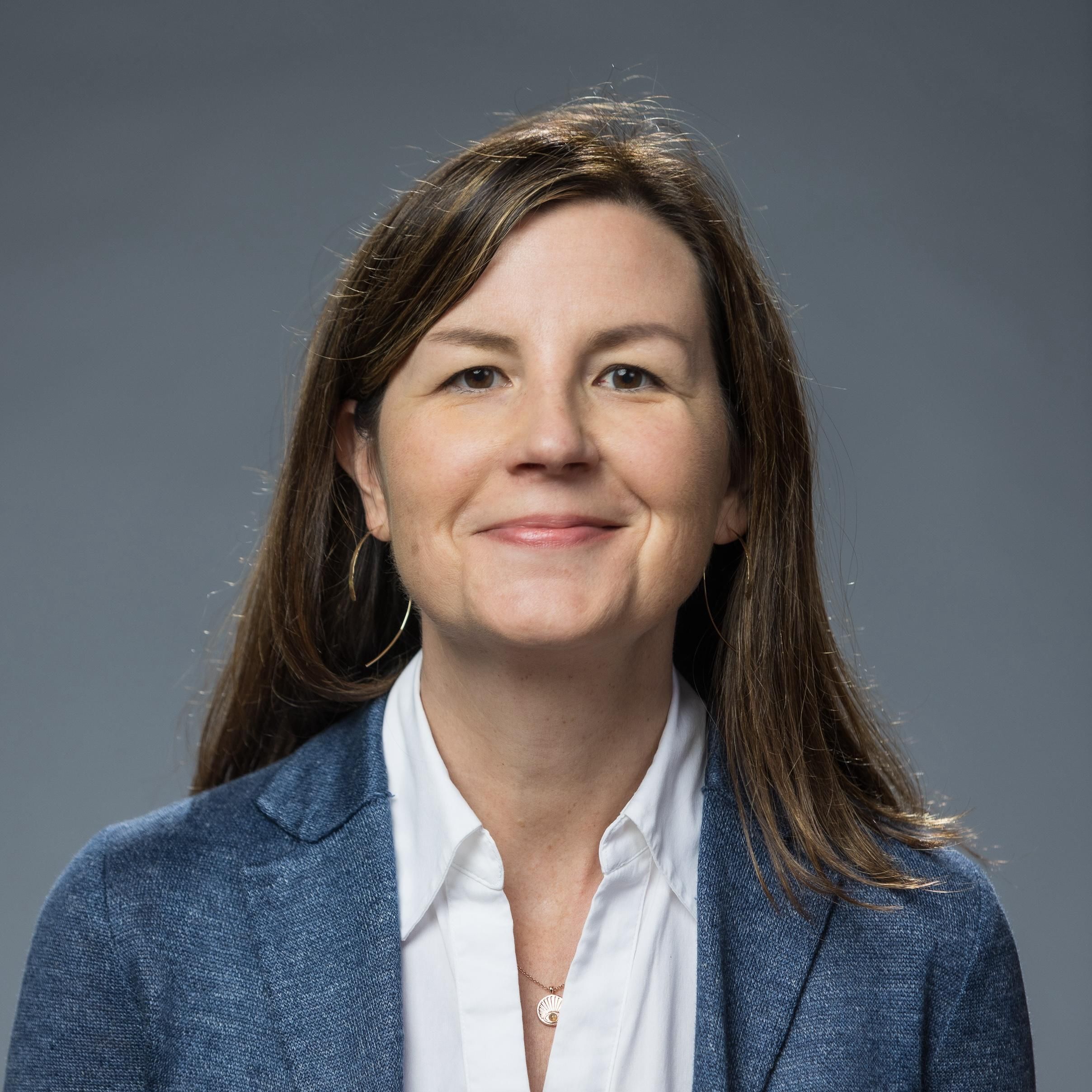
Staci D. Bilbo is the Haley Family Professor of Psychology and Neuroscience at Duke University, with additional appointments in Integrative Immunobiology, Cell Biology, and Neurobiology. She is also a Faculty Network Member of the Duke Institute for Brain Sciences. Her research bridges neuroscience and immunology, focusing on how the immune system influences brain development and function across the lifespan.
Dr. Bilbo's research centers on neuroimmunology, particularly the role of microglia (the brain's primary immune cells) in brain development. She investigates how early-life immune activation can have profound and long-lasting effects on the brain, potentially influencing risk for neuropsychiatric disorders later in life. Her work examines how environmental factors like pollution, stress, and diet impact the developing brain through neuroimmune mechanisms, with special attention to sex differences in these processes.
Her research program has generated significant insights into neuron-microglia crosstalk, microglial heterogeneity, and how perinatal factors program long-term neural and immune function. Recent publications highlight her work on sex-specific neuroimmune responses, maternal-fetal immune interactions, and the gut-brain axis in neurodevelopmental disorders.
- AAAS Fellow (2024)
- Frank Beach Young Investigator Award, Society for Behavioral Neuroendocrinology (2011)
- DIBS Research Incubator Award, Duke Institute for Brain Sciences (2010)
- Robert Ader New Investigator Award, PsychoNeuroImmunology Research Society (2009)
- Bass Connections Team Leader, Brain and Society Theme (2013)
Dr. Bilbo leads multiple NIH-funded research projects examining microglial function in brain development, neuroimmune mechanisms in autism spectrum disorder, and the impact of environmental stressors on neural development. Her lab employs multidisciplinary approaches including molecular, cellular, and behavioral techniques to investigate neuroimmune interactions across development.
She directs several major research initiatives and training programs at Duke, including the Duke-NCCU Interdisciplinary Postdoctoral Training Program in Child Psychiatric and Neurodevelopmental Conditions. Her work has significant implications for understanding the developmental origins of mental health disorders and potential intervention strategies.