معرفی
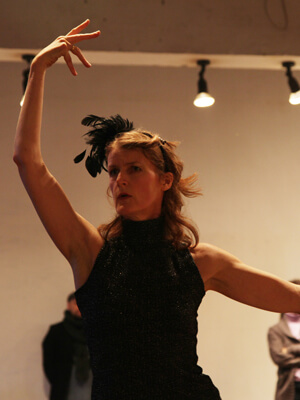
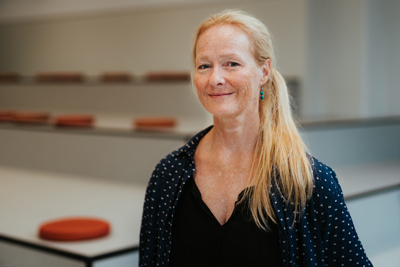
Siri Dybwik is a Professor of Dance at the University of Stavanger, Faculty of Performing Arts, Department of Jazz, Dance, PPU and Music Production. She is a leading figure in contemporary dance performance and artistic research, particularly in the realm of early childhood audiences and participatory art forms. Her work bridges academic inquiry and professional performance, with a focus on improvisational knowledge and democratic performance practices.
Her research interests include contemporary dance, artistic research, improvisation, early childhood arts education, aesthetic practices, and choreography for young audiences. She explores how performance can foster empathetic togetherness and sensory engagement, especially for infants and toddlers. Her artistic projects often involve interactive installations and site-specific performances that challenge traditional audience-performer dynamics.
The recent publications and performances highlight a strong trend in creating art for the very young, with recurring works like 'Toddlernes rom', 'Prinsessen på erten', and 'OvO'. These pieces are performed internationally across Europe, Asia, and North America, demonstrating a global reach. The research outputs are predominantly practice-based, including artistic productions, conference contributions, and educational materials developed through international collaborations such as the EU+ Interstice project.
While no formal scientific awards are listed, her sustained leadership in national and international research initiatives, such as the 'Scenekunst til ALLE små' project and her role in the Norwegian Arts Council’s Committee for Dance, underscores her professional recognition.
Siri Dybwik leads significant artistic and research projects, including the democratic performance initiative Scenekunst til ALLE små and the long-standing contemporary dance company dybwikdans, which she has directed since 1999. She frequently collaborates with colleagues such as Kirsten Halle and Nils Christian Fossdal on workshops, seminars, and joint performances. She also contributes to teacher training and professional development in early childhood arts education.
She is actively involved in various labs and teams, particularly through dybwikdans and the Interstice Erasmus+ project, where she develops methodological guides, peer-learning frameworks, and virtual artistic museums. These initiatives emphasize collaborative, interdisciplinary, and accessible approaches to performing arts for young audiences.