معرفی
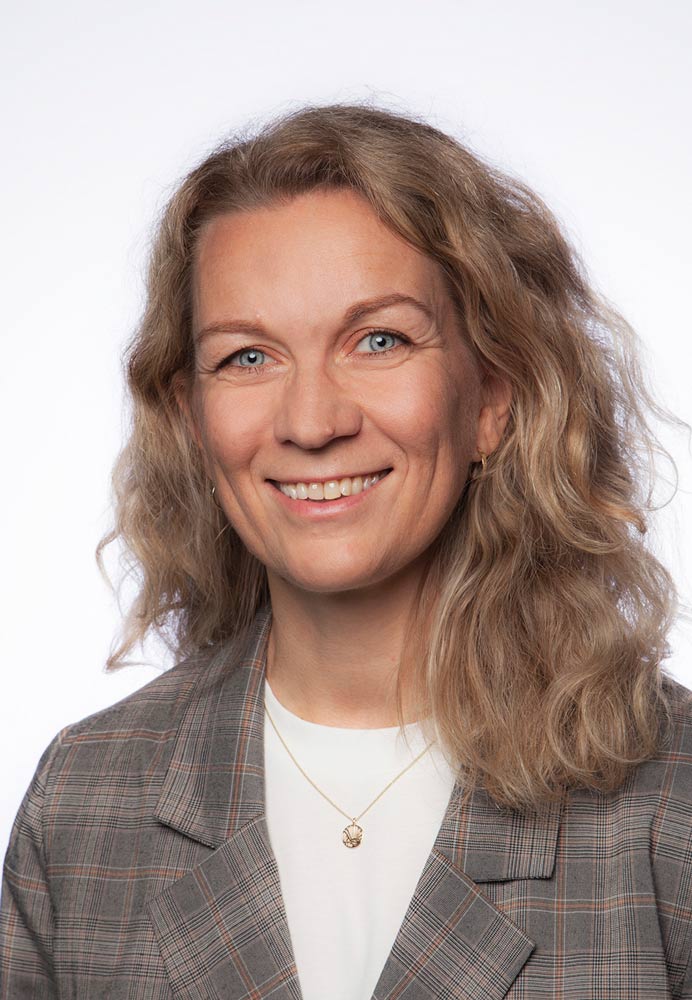
Silje Skrede is a Professor of Pharmacology at the University of Bergen, affiliated with Clinical Institute 2 (K2) within the Faculty of Medicine. She also serves as Head of Innovation at K2 and leads the Psychopharmacology research group at the Mohn Research Center for Psychotic Disorders (MRCP). Her work bridges clinical pharmacology, neuroscience, and precision medicine.
Research Interests: Her research focuses on the metabolic and immunological effects of antipsychotic drugs, therapeutic drug monitoring (TDM) of biologics, and the development of analytical methods for personalized dosing. She investigates how antipsychotics influence lipid biosynthesis, circadian rhythms, and inflammatory markers in psychiatric disorders.
Publication Trends: Her recent publications (2021–2025) reflect a strong emphasis on precision medicine, with studies on TDM of monoclonal antibodies, cytokine profiles in psychosis, and metabolic side effects of antipsychotics. She increasingly applies advanced analytical techniques like LC-MS/MS and explores interdisciplinary models involving immunology, metabolism, and neuropharmacology.
Scientific Contributions:
- Developed rodent models for antipsychotic-induced metabolic effects.
- Explored blue light blockade as a treatment for mania.
- Investigated lipoprotein-mediated transport of psychotropic drugs.
- Advanced TDM methods for biologics in chronic inflammatory diseases.
Advising and Grants: She has supervised master’s students, including Anette Sivertsen. Her research is supported by national and international collaborations, with funding from sources such as the Research Council of Norway and Sigma2. She contributes to clinical guidelines, such as those on antipsychotic tapering by the Norwegian Psychiatric Association.
Laboratories and Teams: She is active in the Laboratory of Clinical Biochemistry at Haukeland University Hospital and collaborates with research groups in Oslo, Spain, and France. Her work is embedded in the Mohn Research Center for Psychotic Disorders, where she contributes to translational research in severe mental illness.