معرفی
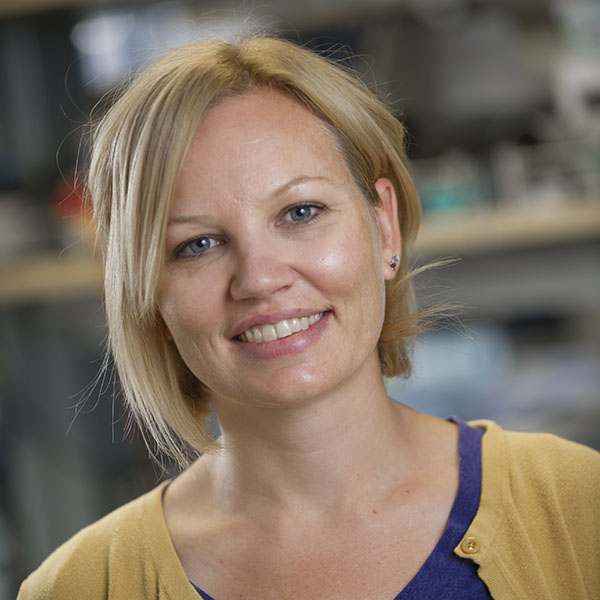
Sidar Barkan serves as an Assistant Research Professor in the Chemical & Biological Engineering Department at Montana State University's College of Engineering, where he develops advanced organoid models to investigate gastrointestinal infections and engineer biomaterials for tissue culture applications. His work bridges chemical engineering principles with biomedical challenges in host-pathogen dynamics.
Education:
- Ph.D., Montana State University, 2019
Dr. Barkan's research integrates bioengineering and chemical engineering to create physiologically relevant models of gastrointestinal systems. He specializes in microfluidic platforms (e.g., GOFlowChip for intestinal perfusion) and biomaterial innovation (synthetic hydrogels, modified Matrigel) to study host-pathogen interactions for SARS-CoV-2, Helicobacter pylori, and Vibrio cholerae. His lab pioneers co-culture systems combining organoids with immune cells to model mucosal immunity and vaccine responses, advancing in vitro disease modeling beyond traditional cell cultures.
Analysis of his 2019-2025 publications reveals a strategic focus on translational organoid technology, with increasing complexity from foundational microfluidics (2019) to bat-human comparative virology (2022-2025). Key trends include zoonotic disease modeling using bat organoids, engineering extracellular matrices for improved permeability, and developing tissue chips that replicate immune-epithelial crosstalk—addressing critical gaps in infectious disease therapeutics and vaccine development.
Dr. Barkan secured funding from the New Mexico IDeA Networks of Biomedical Research Excellence (INBRE) for research on Nitric Oxide Sensing and Biofilm Formation at the V. cholerae Host-Pathogen Interface. His teaching portfolio includes core courses like Bioengineering Lab, Biomedical Materials Engineering, and Chemical Engineering Thermodynamics, indicating active graduate/undergraduate mentorship despite no explicit student listings in source materials.
His laboratory centers on tissue-chip organoid systems that integrate microfluidics, biomaterials, and cellular components to model gastrointestinal physiology. Current work leverages bat intestinal models for zoonotic spillover studies and engineered hydrogels for enhanced immune cell-organoid interactions, positioning his team at the forefront of next-generation infection modeling platforms.