معرفی
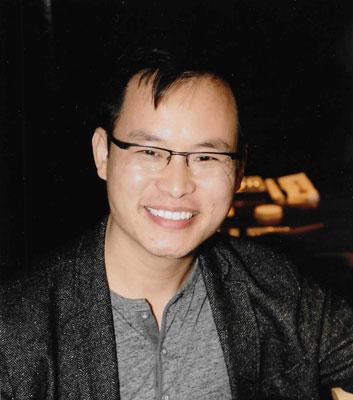
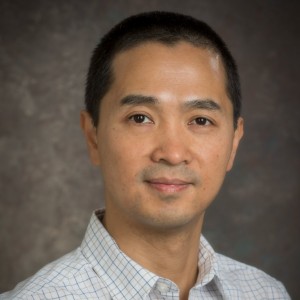
Shuo Wei is an Associate Professor in the Department of Biological Sciences at the University of Delaware, affiliated with the College of Arts & Sciences. He joined UD in 2016, drawn by the collaborative research environment and interdisciplinary opportunities. His research focuses on understanding how genetic mutations and cellular signaling pathways impact neural crest development, particularly in relation to birth defects like craniofacial disorders and congenital heart diseases. Using Xenopus tropicalis as a model system, his lab investigates the roles of Wnt signaling, metalloproteinases (e.g., ADAM9, ADAM13), and genes like DDX3X in these processes.
Dr. Wei holds a B.S. in Biology from the University of Science and Technology of China, a Ph.D. in Biochemistry and Molecular Biology from the University of Miami, and completed postdoctoral training in Cell and Developmental Biology at the University of Virginia. His work has been recognized by a $1.8 million NIH grant (2020) to study genetic mutations causing neural crest defects. He currently advises several graduate and undergraduate students, including those in the Chemistry-Biology Interface and Bioinformatics programs.
Key research areas include: (1) mechanisms of neural crest development and birth defects; (2) regulation of Wnt signaling pathways; and (3) biochemistry of metalloproteinases in disease. His lab’s recent studies explore ADAM9 substrates, DDX3X’s role in AKT activation, and spatial proteomics in early embryos. Collaborations span departments at UD, including Chemistry and Bioinformatics.
Recent publications highlight advancements in proteotranscriptomics, xenopus transgenic models, and the molecular basis of congenital disorders. Future work aims to translate findings into diagnostic and therapeutic strategies for genetic-related birth defects.