معرفی
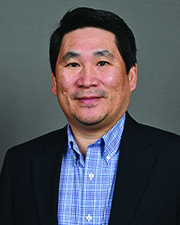
Dr. Sheng Pan is a Professor at the IMM-Center for Translational Cancer Research at The University of Texas Health Science Center at Houston, where he holds the prestigious Rochelle and Max Levit Chair in the Neurosciences. His research program bridges cancer biology and neuroscience through advanced proteomic approaches.
Dr. Pan's research focuses on applying mass spectrometry-based proteomics to study disease-associated proteome alterations with particular emphasis on:
- Mechanistic and biomarker studies of pancreatic cancer and its precursors
- Metaproteomic analysis of microbiome in colon cancer and GI diseases
- Proteome and glycoproteome alterations in neurodegenerative diseases
- Protein glycation in aging, diabetes and chronic inflammation
- Development of novel proteomic technologies for clinical applications
His laboratory has made significant contributions to understanding protein alterations in pancreatic diseases and developing proteomic approaches for biomarker discovery. The research integrates bioinformatics and systems biology to analyze protein interaction networks associated with disease mechanisms. Dr. Pan's work has resulted in numerous publications in high-impact journals spanning from 2005 to the present, demonstrating sustained research productivity.
Notable recognition includes the Rochelle and Max Levit Chair in the Neurosciences, an endowed position that supports his research at the intersection of cancer and neuroscience. His publications reveal a consistent focus on translating proteomic discoveries into clinical applications, particularly for early cancer detection and understanding disease mechanisms.
Dr. Pan actively collaborates with clinicians and researchers across multiple disciplines, as evidenced by his co-authorship on studies involving pancreatic cancer, colon cancer, neurodegenerative diseases, and technological innovations in proteomics. His research program demonstrates strong translational potential with applications in cancer diagnostics and understanding molecular mechanisms of disease.