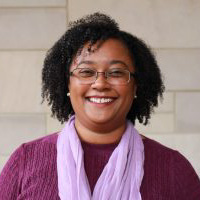
Sharlene D. Newman
استاد · Cognitive Neuroscience
Louisiana State University Health Sciences Centerمعرفی
Dr. Sharlene D. Newman is a cognitive neuroscientist at Indiana University Bloomington, affiliated with the Department of Psychological and Brain Sciences, the Cognitive Science program, and the Neuroscience program within the College of Arts and Sciences. Her research focuses on understanding how cognitive functions such as language comprehension and problem-solving emerge from distributed brain networks.
Her research interests lie at the intersection of cognitive neuroscience, neuroimaging, and cognitive psychology. She investigates language processing, problem-solving mechanisms, and functional brain connectivity using fMRI and multimodal approaches. Her work extends to developmental cognition, substance use effects on the brain, and neurorehabilitation in language disorders. She also contributes to neuroinformatics and machine learning applications in MRI analysis.
The recent publications reflect a strong trend in multimodal neuroimaging, combining fMRI, diffusion MRI, and metabolic data to study brain function and dysfunction. Her research spans clinical populations (e.g., cannabis users, alcohol use disorder, aphasia) and healthy development (e.g., preschoolers). There is a clear emphasis on network neuroscience, examining how brain regions interact, and on translational applications in education, sports medicine, and clinical intervention.
Dr. Newman serves in editorial roles, including Associate Editor for Cognition at Frontiers in Psychology and Guest Associate Editor for Frontiers in Neuroinformatics, indicating active leadership in the academic community. While specific grant details are not provided, her collaborative publications suggest involvement in funded research projects, particularly in athlete brain health and neuroimaging methodology. She likely mentors graduate students and postdoctoral researchers in cognitive neuroscience.
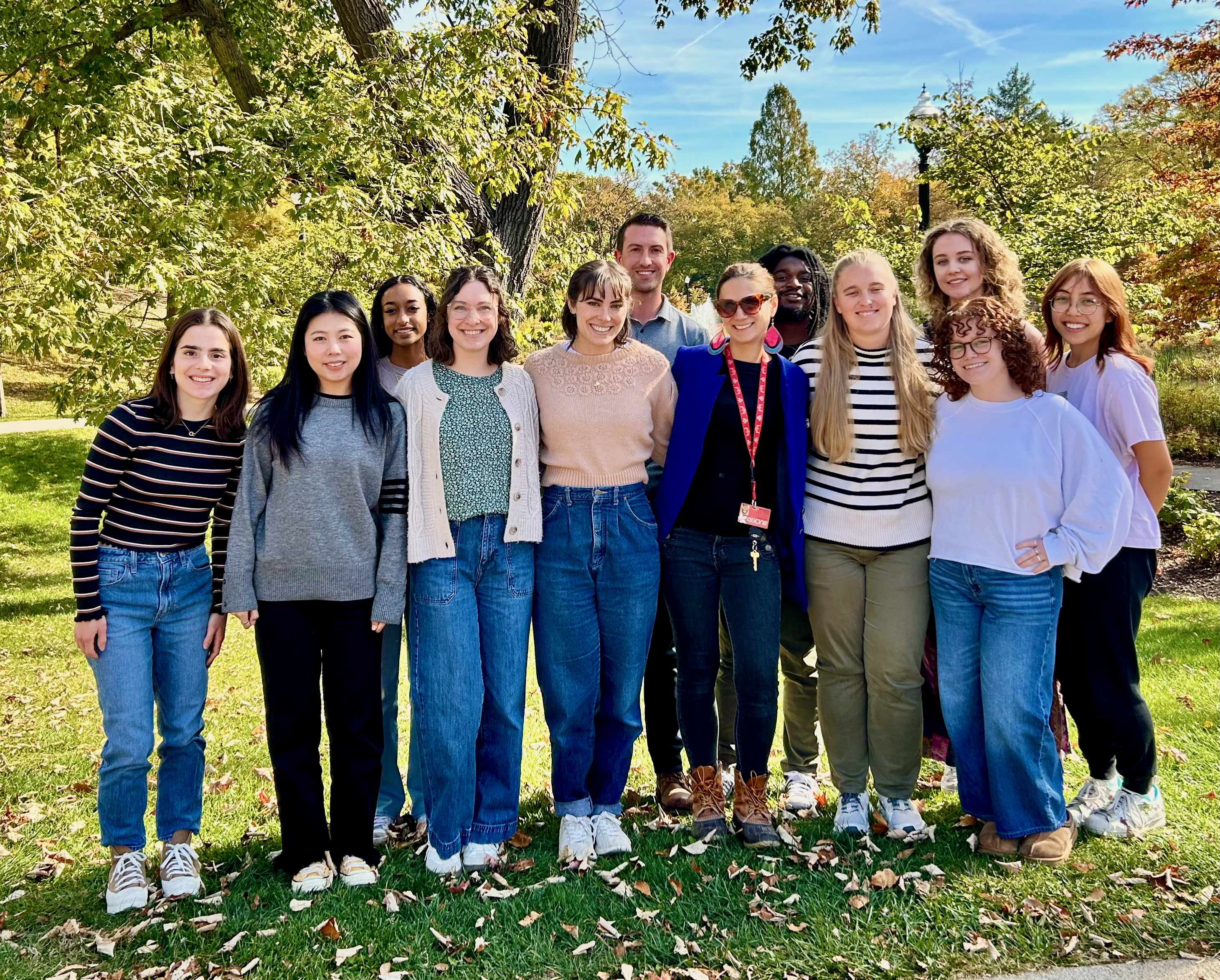
Her work is associated with interdisciplinary teams focused on brain data science, neurotrauma in athletes, and cognitive training interventions. These teams leverage large-scale neuroimaging datasets and advanced computational tools to address complex questions in brain function.