معرفی
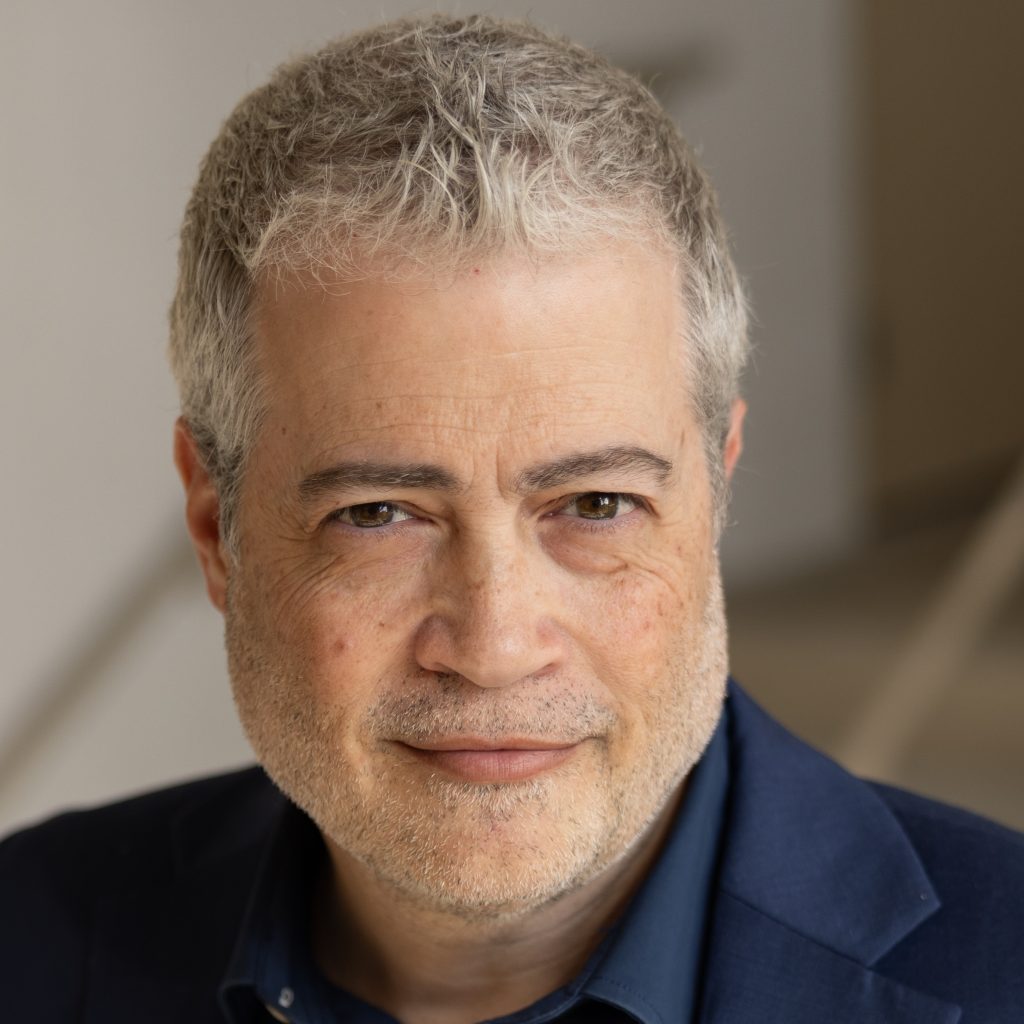
Shannon Burns serves as Assistant Professor in both the Psychological Science and Neuroscience Departments at Pomona College in Claremont, CA, where she directs the Mechanisms of Interpersonal Communication Laboratory (MICLab). Her academic journey includes postdoctoral training at Princeton University and the Annenberg School of Communication at UPenn following her PhD in Social Psychology from UCLA.
- PhD in Social Psychology (2020), UCLA
- MA in Social Psychology (2016), UCLA
- BA in Psychology (2015), Pomona College
- Postdoctoral Scholar (2021-2022), Princeton University
- Postdoctoral Scholar (2020-2021), Annenberg School of Communication, UPenn
- Assistant Professor (2022-present), Pomona College
Burns' research centers on the psychological, neural, and behavioral foundations of interpersonal communication, with emphasis on how humans coordinate during social interactions. Her lab employs hyperscanning techniques (fNIRS and fMRI) to examine real-time neural coupling during conversations, investigating how relationship types (friends vs. strangers) influence conversational dynamics and common ground formation. She explores how prefrontal cortex activity predicts whole-brain neural patterns during naturalistic movie-watching paradigms, bridging cognitive and social neuroscience.
Her recent publications reveal trends toward naturalistic paradigms in social neuroscience, with growing methodological sophistication in hyperscanning approaches. Key subfields include neural mechanisms of conversational exploration, social relevance processing in information sharing, and computational modeling of interpersonal dynamics. Burns actively critiques methodological limitations in hyperscanning while advancing ecological validity in social neuroscience research.
Burns maintains active engagement with academic communities through conference participation and professional networks. Her laboratory focuses on training undergraduate researchers in multimodal approaches to social interaction, emphasizing both technical skill development and theoretical innovation in communication neuroscience.