معرفی
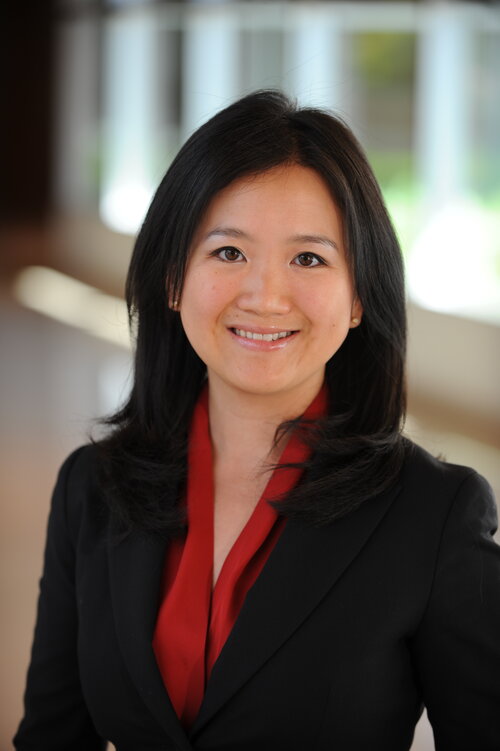
Şebnem Kalemli-Özcan is the Schreiber Family Professor of Economics at Brown University and Director of the Global Linkages Lab. She holds research roles at the National Bureau of Economic Research (NBER) and the Center for Economic Policy Research (CEPR). As co-editor of the American Economic Journal: Macroeconomics, she advises the NY Federal Reserve and Bank of International Settlements. Her research focuses on global trade and financial linkages, economic fluctuations, and growth. Key contributions include studies on Fed policy spillovers, pandemic-era inflation drivers, and emerging market vulnerabilities. Awarded the 2008 Marie Curie IRG Prize for her work on European financial integration, her insights are widely featured in global media like the Financial Times, Bloomberg, and Project Syndicate.
Educational Background:
- PhD in Economics, Brown University (2000)
- MA in Economics, Brown University (1997)
- BS in Economics, Middle East Technical University (1995)
Research Interests:
Her work analyzes how global financial and trade networks shape economic outcomes. She explores the transmission of monetary policy shocks, sovereign risk, and sudden stops in firm financing. Recent studies emphasize inflation dynamics post-pandemic, the role of US dollar dominance, and policy responses to capital flow volatility. Her findings underscore the interconnectedness of global economies and the need for coordinated macroeconomic strategies.
Key Contributions:
- Highlighted the economic imperative of global vaccinations via production network models (2021).
- Quantified spillovers from Fed rate hikes on emerging markets (2023–2024).
- Examined pandemic-era inflation drivers and SME policy interventions.
Awards and Recognition:
- Marie Curie IRG Prize (2008)
- First Turkish social scientist to receive this honor.
Advisory and Policy Work:
She provides strategic guidance to international institutions including the IMF, World Bank, and Bank of England. Her op-eds address pressing issues like Turkey’s economic challenges and the risks of global supply chain fragmentation. Through collaborative research and media engagement, she bridges academic insights with policy action.