معرفی
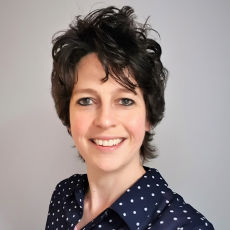
Sarah Williams is an Associate Professor in Sport Psychology and Coaching Science at the School of Sport, Exercise and Rehabilitation Sciences, University of Birmingham. She is internationally recognized for her research on mental imagery to enhance performance and wellbeing, particularly in regulating stress and anxiety.
- PhD in Sport Psychology, University of Birmingham
- BSc (Hons) in Sport and Exercise Sciences, University of Birmingham
Her research focuses on developing and validating imagery scripts that help individuals—both athletes and non-athletes—achieve more facilitative appraisals and responses to psychological stress. She investigates the mechanisms behind imagery effectiveness, including physiological, neural, and behavioral responses. Her work bridges sport psychology, health psychology, and interdisciplinary science, with applications in anxiety reduction, performance under pressure, and mental resilience.
Her recent publications (2021–2025) reflect a consistent focus on stress regulation, imagery ability, and psychophysiological responses. Key themes include the validation of new assessment tools (e.g., Ease of Imagery Questionnaire), the role of mastery imagery in stress resilience, and interventions combining mindfulness, self-hypnosis, and exercise. Her work appears in top journals such as Psychophysiology, Journal of Affective Disorders, and Anxiety, Stress & Coping.
- Outstanding PhD Thesis Award, British Psychological Society’s Division of Sport and Exercise Psychology
Sarah supervises a dynamic group of PhD, MRes, and MSc research students and has guided four PhD students to completion. She co-leads the Year 2 Sport and Performance Psychology module and teaches across undergraduate and postgraduate programs. She also serves as an Associate Editor for the Journal of Experimental Psychology: Human Perception and Performance, highlighting her leadership in the broader psychological science community.
Her research lab fosters interdisciplinary collaboration, applying sport psychology frameworks to diverse populations—from anxious university students to older adults—aiming to improve mental health and engagement in physical activity.