معرفی
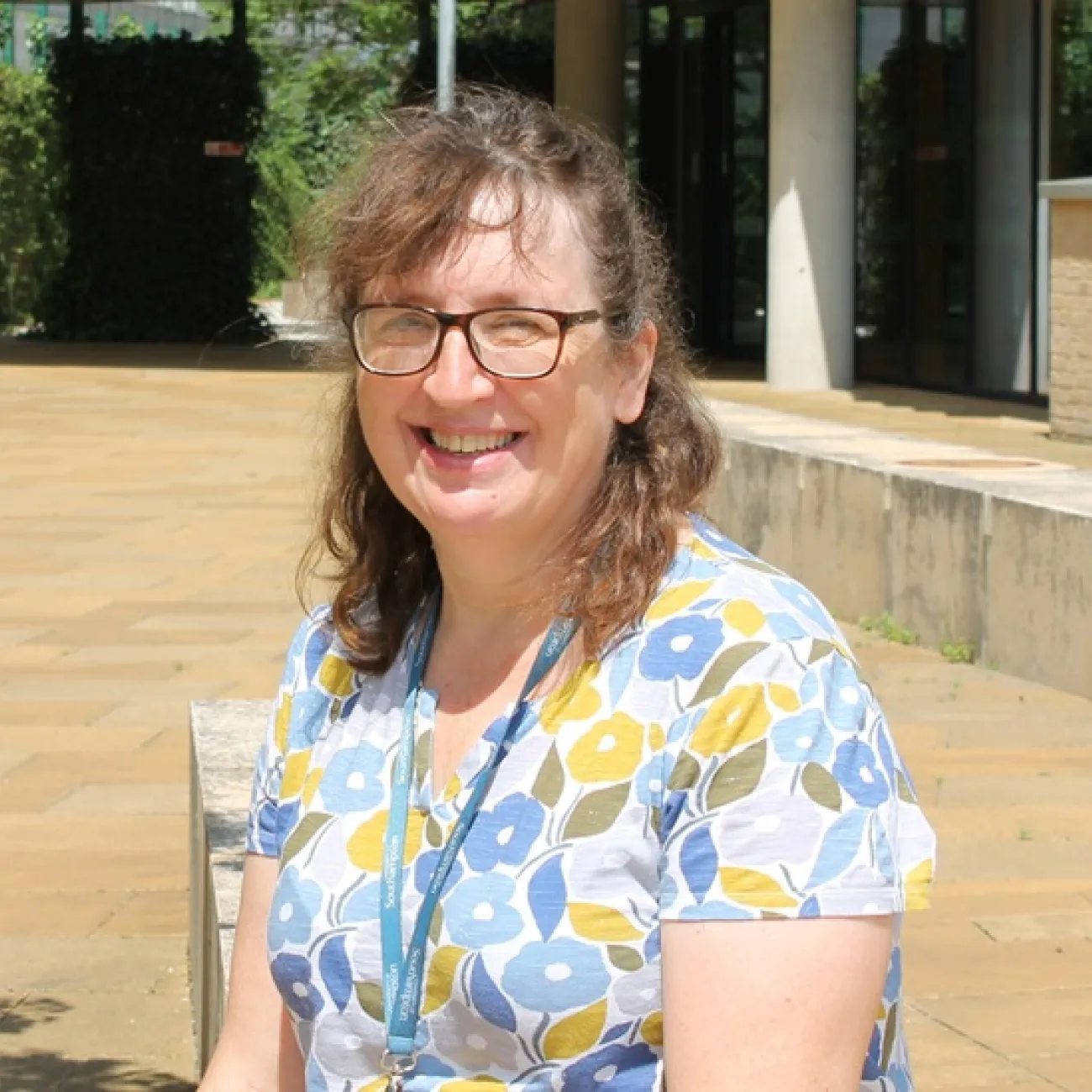
Sarah Pitt is a Principal Lecturer in the School of Applied Sciences at the University of Brighton, affiliated with the Centre for Lifelong Health. She is a registered Biomedical Scientist with the Health and Care Professions Council (HCPC) and a Fellow of the Institute of Biomedical Science (IBMS). She currently serves as the IBMS Chief Examiner for Virology, contributing significantly to professional standards and education in the field.
Education:
- PhD in Managing Quality in Clinical Microbiology Services, Liverpool John Moores University (2002)
- MSc in Applied Parasitology and Medical Entomology, Liverpool School of Tropical Medicine (1996)
- BSc (Hons) in Microbiology, University of Bristol (1987)
Sarah's research interests focus on the development of biomedical science students as learners and professionals. She explores innovative teaching methods and clinical training, particularly in microbiology. Her work extends to the investigation of point-of-care testing in microbiology and the discovery of antimicrobial agents in molluscan mucus, notably from the garden snail Cornu aspersum. She also contributes to the One Health concept, emphasizing the interconnectedness of human, animal, and environmental health.
Her recent publications reveal a strong interdisciplinary trend, combining microbiology, education, infection control, and biophysics. Themes include antimicrobial discovery, droplet transmission of pathogens, and the integration of professional practice into academic training. These works reflect her dual expertise in clinical microbiology and pedagogy.
Scientific Awards and Recognition:
- Fellow of the Institute of Biomedical Science (IBMS)
- HCPC Registration as a Biomedical Scientist
Sarah has been actively involved in mentoring and advising through her leadership in clinical placements for BSc Biomedical Science students. She has led externally funded research projects, such as the Society for Applied Microbiology (SFAM)-funded project on antimicrobial proteins. Her contributions to curriculum development are evident in her authorship of key textbooks that support student learning across the discipline.
She is associated with research teams focusing on antimicrobial discovery and infection prevention. Her work with colleagues on droplet dynamics indicates collaboration with engineers and physicists, highlighting a multidisciplinary network. Future work is likely to expand on natural antimicrobials, infection transmission modeling, and educational innovation in biomedical sciences.