معرفی
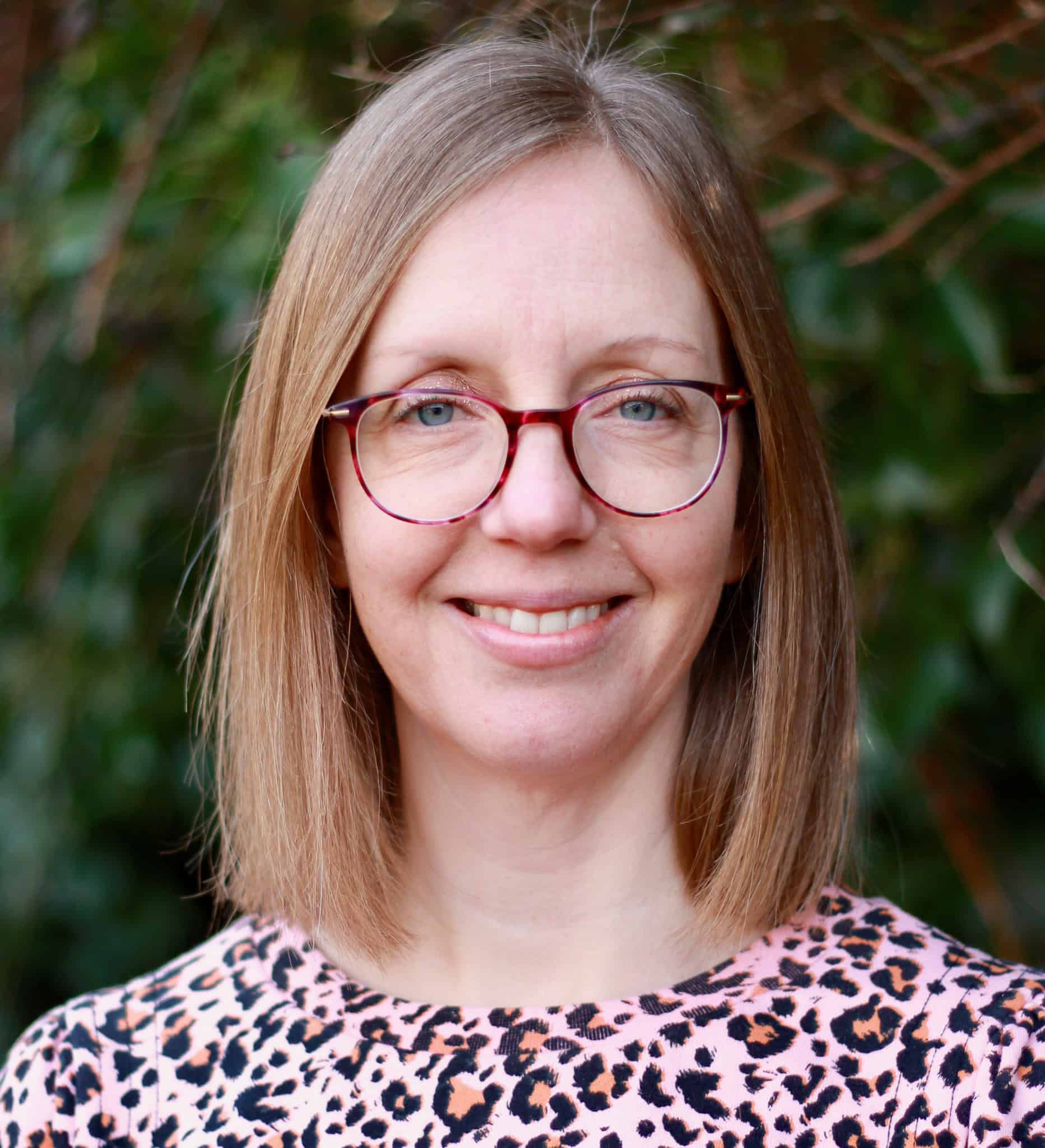
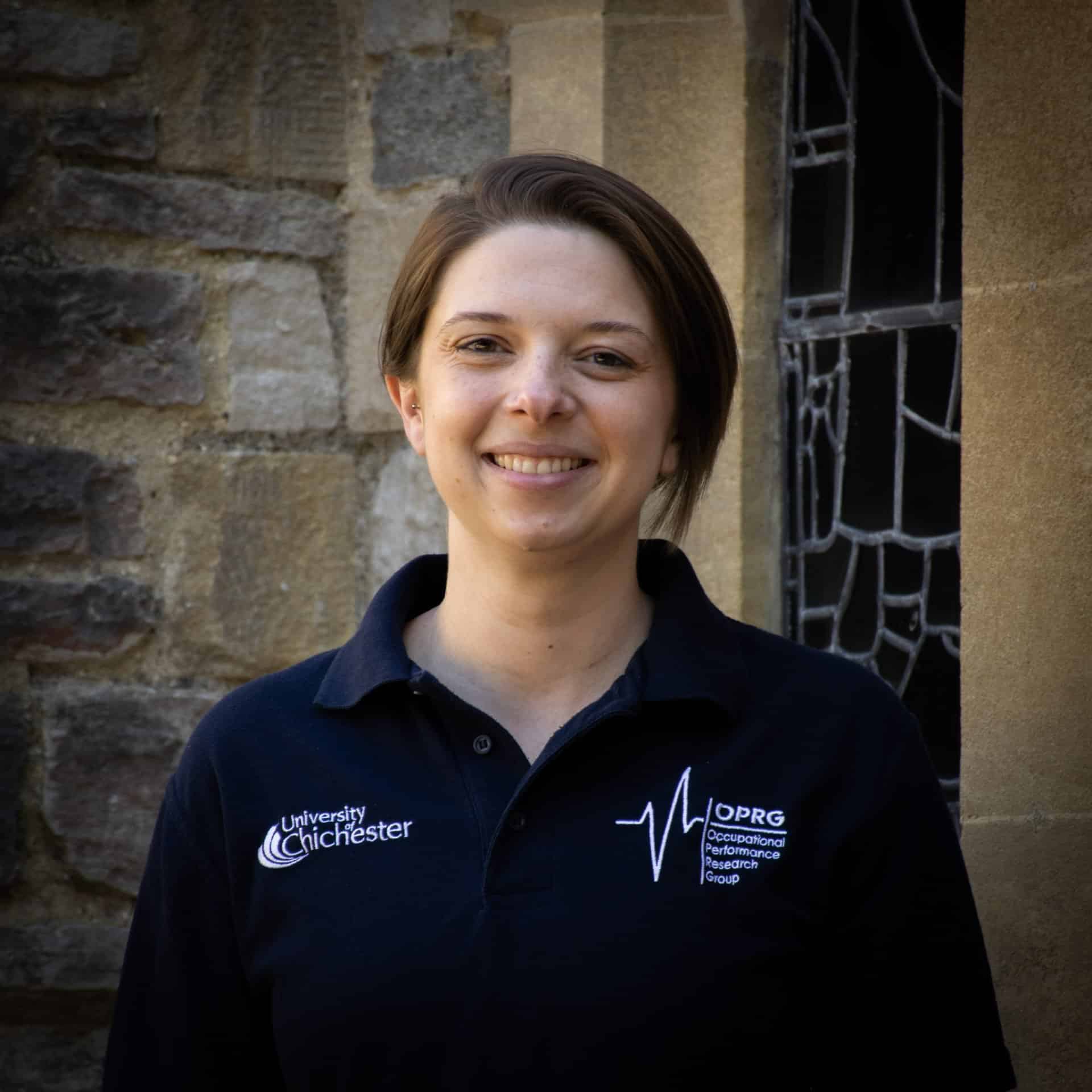
Sarah Needham-Beck serves as Associate Lecturer in Dance Science and Physiology at the University of Chichester's Conservatoire, where she coordinates the MSc Dance Science programme, teaches the BSc Dance Science curriculum, and supervises undergraduate and postgraduate research projects. Her academic journey began with a BSc (Hons) in Exercise and Sport Sciences from the University of Exeter (2009), followed by an MSc (2010) and PhD (2017) in Dance Science from Trinity Laban Conservatoire of Music and Dance.
Her research spans two interconnected domains: dance science and military physiology. She investigates training load monitoring systems, cardiorespiratory demand measurement in performance settings, and evidence-based development of physical employment standards. Her methodological expertise includes quantitative data collection, advanced statistical analysis, and innovative data visualization techniques applied to both artistic and military contexts.
Recent publications (2018-2024) reveal a dual research trajectory: military-focused studies examine British Army physical standards, injury prevention, and cognitive performance during tactical operations, while dance science contributions analyze cardiorespiratory fitness in contemporary and Kathak dance, inclusive pedagogy, and performance evaluation frameworks. This interdisciplinary approach bridges performance optimization across radically different high-demand environments.
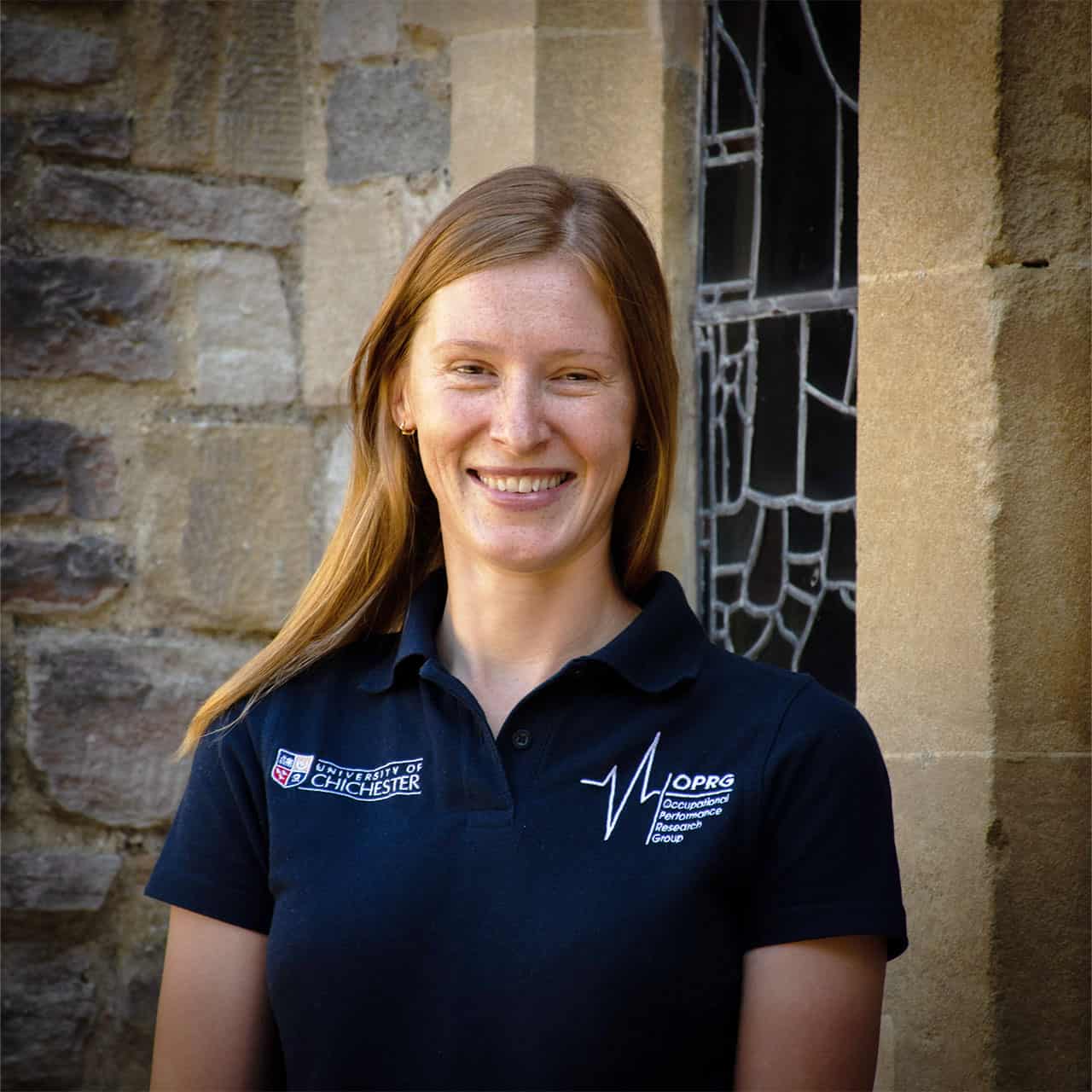
Her scientific recognition includes Fellowship in the International Association of Dance Medicine & Science (IADMS), where she currently serves on the Board of Directors for the 2023-2027 term cycle. She actively contributes to evidence-based practice through her role in the Occupational Performance Research Group (OPRG), which develops validated assessment protocols for military occupational tasks.
As an educator, she supervises student research while maintaining active consultancy in dance science. Her military collaborations with the British Army demonstrate practical application of physiological principles to enhance operational readiness through scientifically validated training standards and monitoring systems.
Her work within the Occupational Performance Research Group focuses on translating physiological research into actionable protocols for optimizing human performance in extreme environments, whether on stage or in combat scenarios, with particular attention to load management and injury prevention strategies.