معرفی
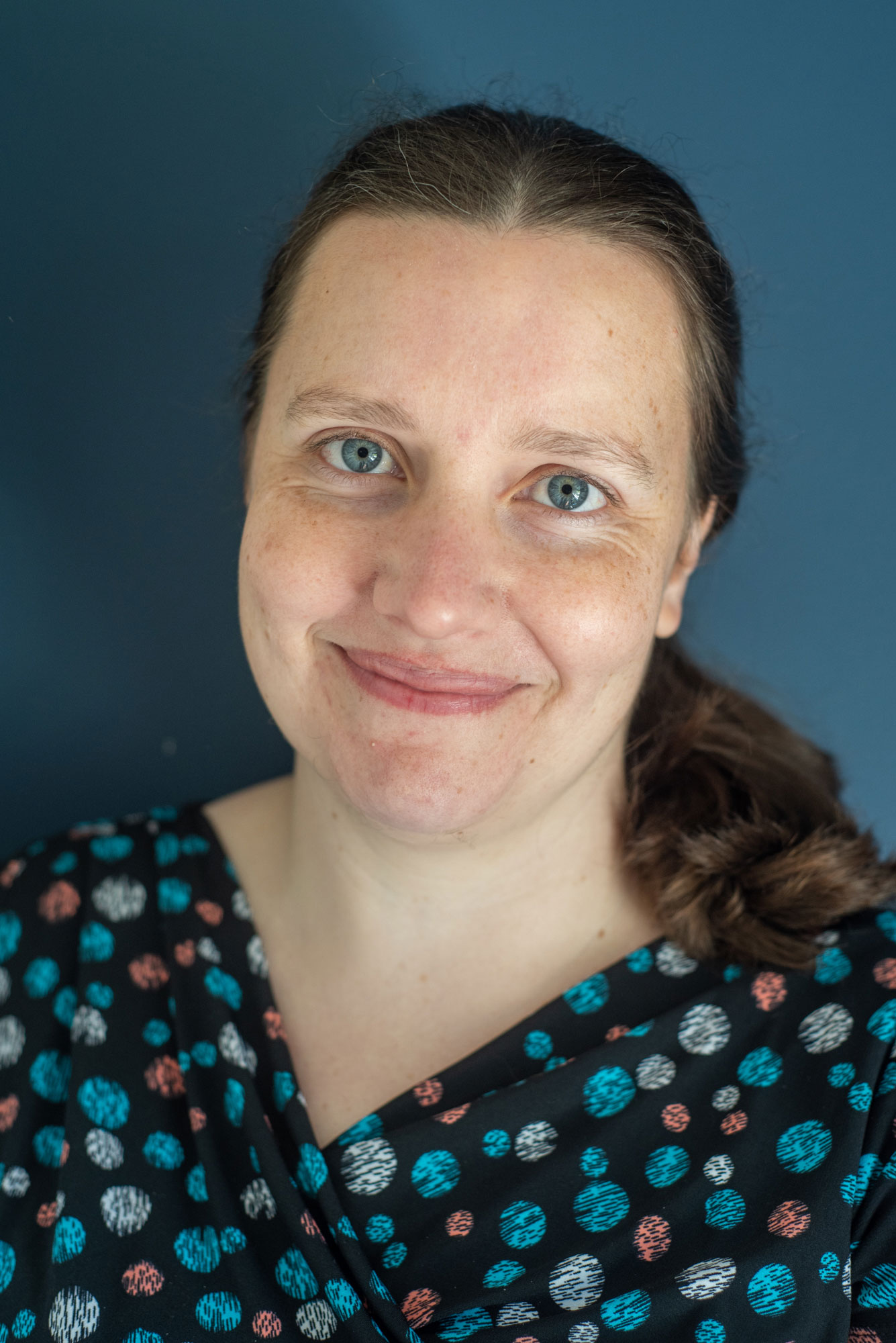
Sarah Fankhauser is an Associate Professor of Biology at Oxford College, Emory University, where she has taught introductory biology courses since 2015. Specializing in science communication and education, she has transformed her research focus from microbial pathogenesis to empowering students through publication experiences.
Her academic journey includes:
- B.S. in Biology with Highest Honors from Georgia Institute of Technology (2007)
- Ph.D. in Microbiology and Immunobiology from Harvard University (2013)
Dr. Fankhauser's research evolution reflects a strategic shift from studying bacterial pathogens like Shigella flexneri and Chlamydia trachomatis to pioneering science communication initiatives. Her current work investigates how pre-college and college students engage with scientific literature through publication, emphasizing mentorship's role in developing scientific identity. This transition was catalyzed by her founding of The Journal of Emerging Investigators, which provides K-12 students publishing opportunities.
Analysis of her 15 most recent publications reveals a dominant focus on educational transformation since 2016, with 12 of 15 articles centered on science education. Her work explores innovative teaching methods like scavenger hunts for journal comprehension, peer review pedagogy, and the impact of publication experiences on student confidence. Earlier microbiological research (2011-2015) examined bacterial virulence mechanisms, particularly in Burkholderia cenocepacia and C. trachomatis.
Her contributions have earned significant recognition:
- Emory University Williams Teaching Award (2024)
- New England Biolabs Passion in Science Award for mentorship (2019)
- Oxford College Robert Cotter Mizell Award for educational excellence (2018)
- American Society of Microbiology Research Initiative Fellowship (2016)
Dr. Fankhauser actively mentors undergraduate researchers, securing NSF and NIH grants to support her science communication projects. Her non-profit, The Journal of Emerging Investigators, directly extends her research into K-12 classrooms. While she previously established a soil microbiome research program at the Oxford Organic Farm, her current work centers on national collaborations investigating how publication experiences shape scientific understanding across educational levels.
Her laboratory functions as an educational innovation hub, integrating undergraduate researchers into curriculum development and assessment projects. Current initiatives include analyzing large language model applications in science education and developing frameworks for authentic research writing in online environments.