معرفی
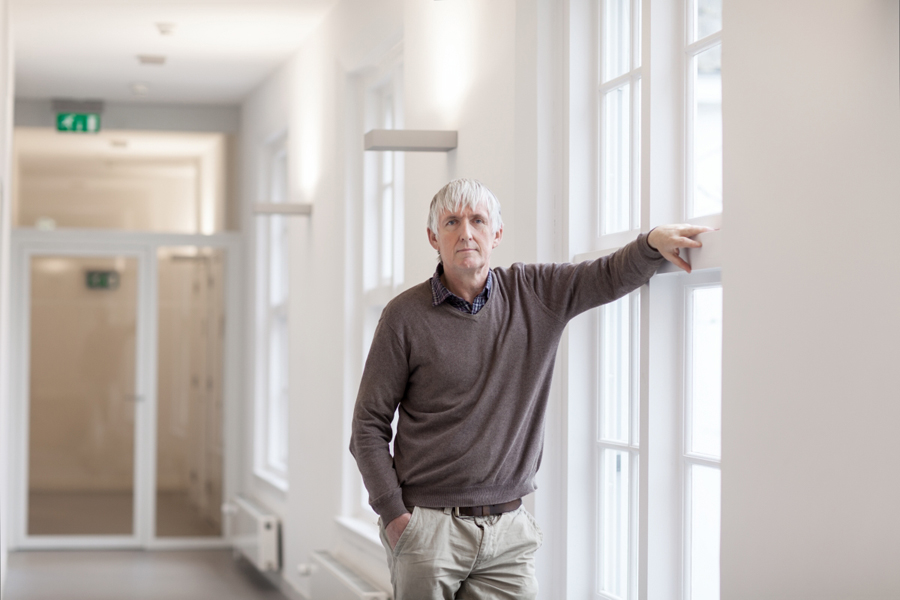
Dr. Sarah Carmichael is an Assistant Professor in Economic and Social History at Utrecht University's Department of History and Art History. She coordinates the English BA History program and teaches courses at BA/MA levels, focusing on economic history and quantitative methods. Her research explores how historical cultural and institutional factors, particularly family systems and gender inequalities, shape contemporary development outcomes. She has collaborated with the Race to the Bottom project analyzing global textile industry shifts and co-developed datasets on wages since 1800 with Corinne Boter.
Education: She earned a PhD from Utrecht University (2016), supervised by Jan Luiten van Zanden, Tine De Moor, and Jan Kok. Her doctoral work examined global gender equality developments over 150 years. Earlier studies include a Master's thesis on marriage age dynamics in lesser-developed countries (2011).
Research Interests: Carmichael specializes in agency measurement frameworks, historical family structures, and their interplay with economic development. She investigates marriage patterns (e.g., arranged vs. love marriages), inheritance systems, and co-residence practices across regions like Europe, Asia, and Africa. Her work applies Sen's freedom theory to analyze how gender equity influences human capital formation and labor market participation. She also explores path dependency mechanisms that sustain traditional family systems despite economic changes.
Publications & Grants: Her articles (2011–2023) consistently address family systems' impact on development, with significant contributions to feminist economics and cliometrics. She co-authored Capital Women (2019) and edited Cliometrics of the Family (2019). A notable 2019 paper introduced the Historical Gender Equality Index, widely cited in policy contexts. She received NWO grant funding for her 2011–2015 project on global family systems and agency.
Advising & Editorial Roles: While no student names are listed, she has supervised two PhD candidates. She serves on the editorial board of the Yearbook for Women's History and assisted the Brill Series on Global Economic History. She organized international workshops and contributed to refereeing processes.
Labs & Collaborations: Affiliated with Utrecht's Humanities Research Institute and the Centre for Global Economic History. Her work integrates IPUMS population census data with anthropological datasets like the Ethnographic Atlas, creating innovative global measurement tools for historical gender dynamics.