معرفی
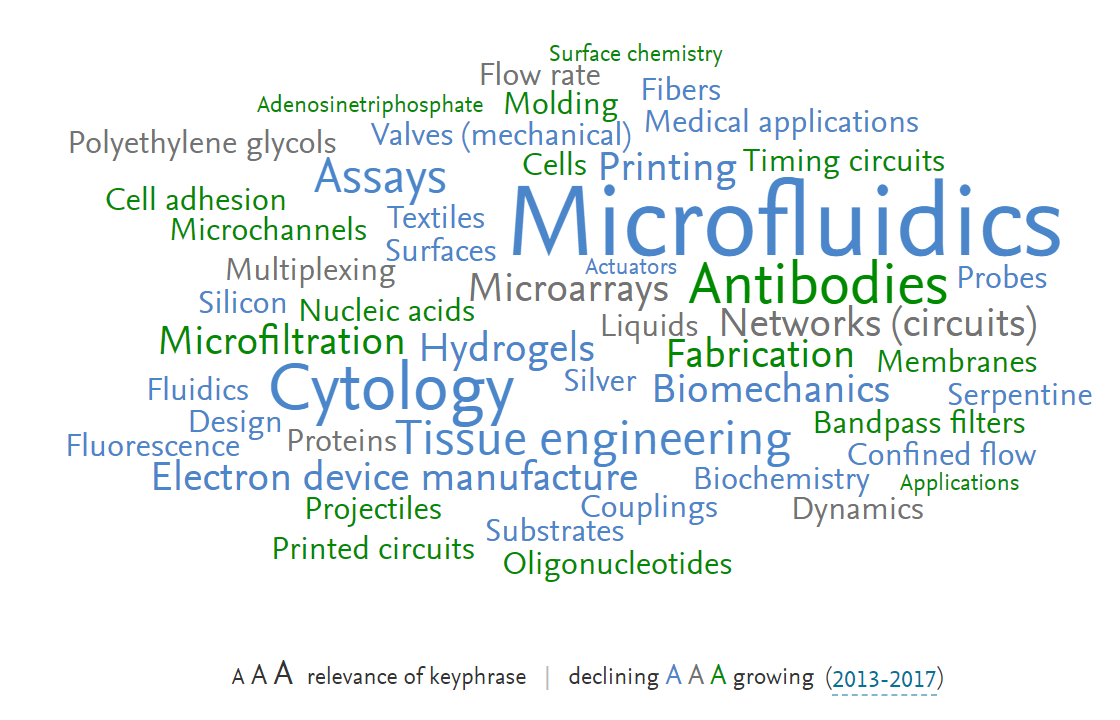
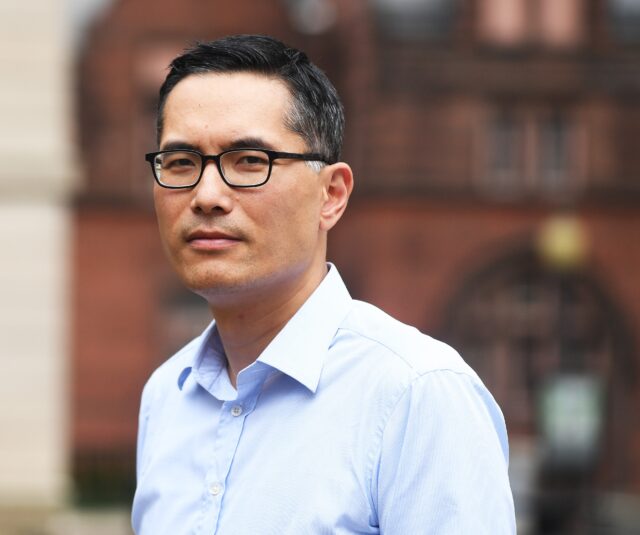
Samuel K. Sia serves as Vice Provost for the Fourth Purpose and Strategic Impact and Professor of Biomedical Engineering at Columbia University's Fu Foundation School of Engineering and Applied Science (Columbia Engineering), with affiliations in the Health Analytics Committee and Sense, Collect and Move Data initiatives. His research laboratory pioneers microfluidic technologies for global health diagnostics and 3D tissue biology.
Dr. Sia earned his B.S. in Biochemistry from the University of Alberta, Ph.D. in Biophysics from Harvard University, and completed a Chemistry postdoctoral fellowship at Harvard. His academic training was supported by prestigious fellowships including Howard Hughes Medical Institute and Canadian national awards.
His research focuses on engineering microfluidic platforms to address critical gaps in point-of-care diagnostics for resource-limited settings and to develop advanced 3D tissue models for biological studies. This interdisciplinary work bridges biomedical engineering, global health, and tissue engineering to create accessible diagnostic solutions and physiological tissue systems.
Dr. Sia's contributions have been recognized with these major honors:
- Howard Hughes Medical Institute Predoctoral Fellow
- National Science and Engineering Council of Canada Predoctoral Fellow
- Canadian Institute of Health Postdoctoral Fellow
- World's Top Young Innovator by MIT Technology Review
- Innovator in Human Health and Sustainability by NASA
His laboratory has secured substantial research funding from the National Institutes of Health (NIH), National Science Foundation (NSF), Wallace H. Coulter Foundation, American Heart Association, and World Health Organization. As founder of Claros Diagnostics, he commercialized microfluidic diagnostic technology with EU regulatory approval for prostate cancer monitoring in 2010. His leadership spans academic administration, venture-backed innovation, and collaborative global health initiatives.
Dr. Sia directs a multidisciplinary research team developing next-generation diagnostic tools and tissue models, integrating engineering principles with clinical applications to address unmet needs in healthcare accessibility and biological research.