معرفی
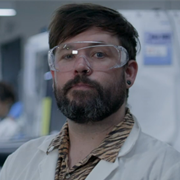
Dr. Samuel Cheeseman is a Research Fellow focused on biomedical engineering at RMIT University. He holds a Melbourne Postdoctoral Fellowship within the Department of Biomedical Engineering under the Faculty of Engineering and Information Technology. His research spans multiple interdisciplinary fields at the intersection of materials science, nanotechnology, and biomedical applications with emphasis on antimicrobial solutions.
Dr. Cheeseman earned his PhD from RMIT University, establishing the foundation for his current research trajectory in biomaterials and nanotechnology. His academic journey demonstrates a strong commitment to advancing materials science for biomedical applications, particularly in addressing antimicrobial resistance challenges.
Dr. Cheeseman's research interests center around biomaterials, with specific focus on antimicrobial materials, liquid metals, nanotechnology applications, and antifouling coatings. His work investigates how nanostructured surfaces interact with microbial cells, develops novel hydrogel materials for biomedical applications, and explores the potential of liquid metals in antimicrobial contexts. His research has significant implications for combating antibiotic-resistant bacterial strains and developing next-generation antimicrobial technologies through innovative materials science approaches.
Analysis of Dr. Cheeseman's publication record reveals a strong trajectory in developing advanced biomaterials with antimicrobial properties. His work spans fundamental materials characterization to applied biomedical solutions, with particular emphasis on nanostructured surfaces, liquid metals, and hydrogel systems. The interdisciplinary nature of his research connects materials science, microbiology, and biomedical engineering to address pressing healthcare challenges related to infection prevention and treatment, with significant contributions to understanding microbial cell death mechanisms on engineered surfaces.
Dr. Cheeseman is actively involved in research funding, currently leading the project "Developing Smart, Shape-Transforming Nanomaterials for Biomedical Applications" (2023-2026). His collaborative approach is evident through extensive co-authorship across multiple high-impact publications, though specific individual awards aren't detailed in the available information.
As a Research Fellow, Dr. Cheeseman likely mentors junior researchers given his postdoctoral fellowship status. His extensive collaboration network spans multiple institutions and disciplines, suggesting active participation in research teams that bridge engineering, materials science, and biological applications. His work on machine learning applications for antimicrobial screening demonstrates integration of computational approaches with traditional laboratory research.
Dr. Cheeseman's research likely involves specialized laboratories for biomaterials synthesis, nanofabrication, and biological testing. His work on synchrotron-based techniques indicates access to advanced national research infrastructure. His current project on shape-transforming nanomaterials suggests development of responsive biomaterial systems that can adapt to biological environments for targeted therapeutic applications.