معرفی
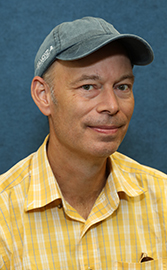
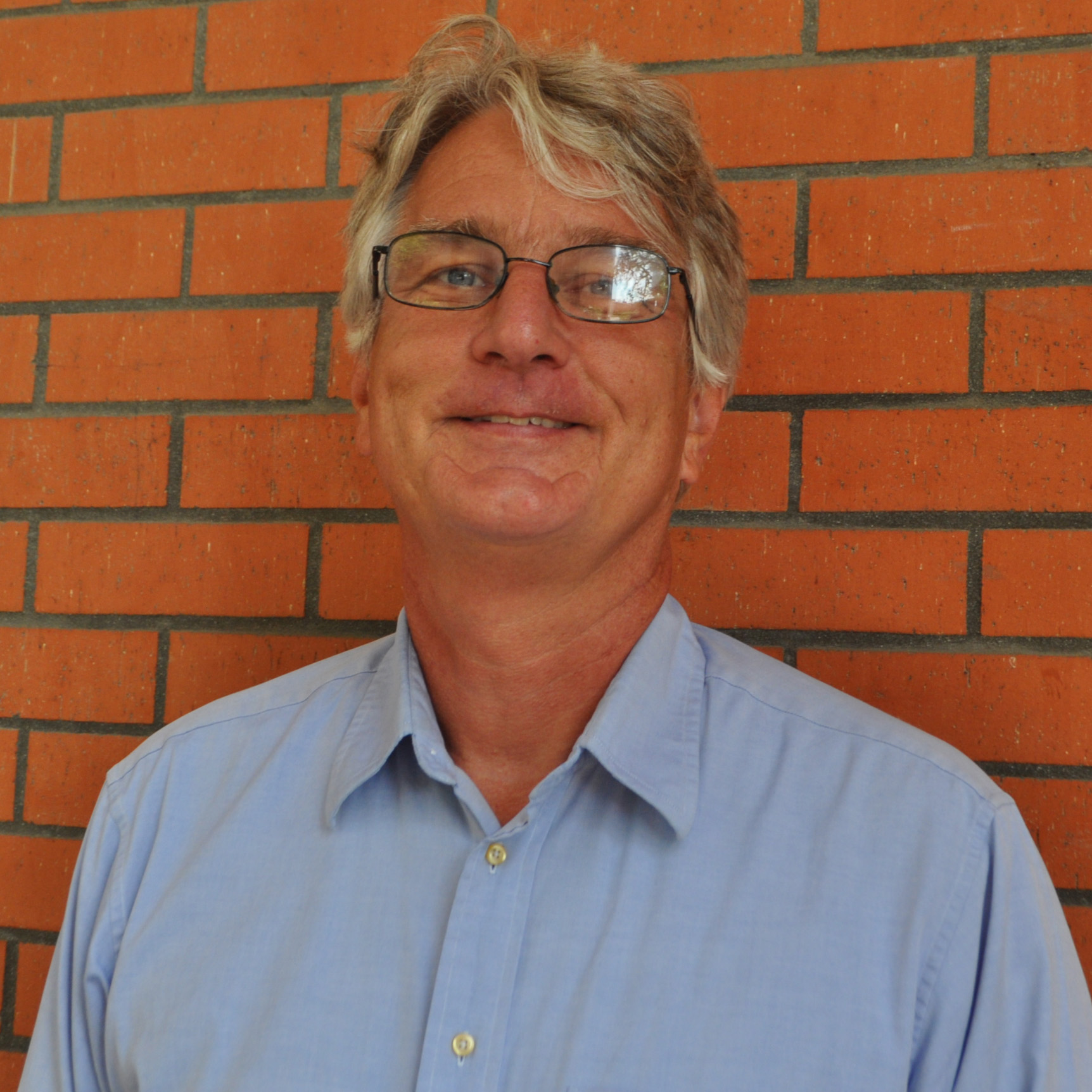
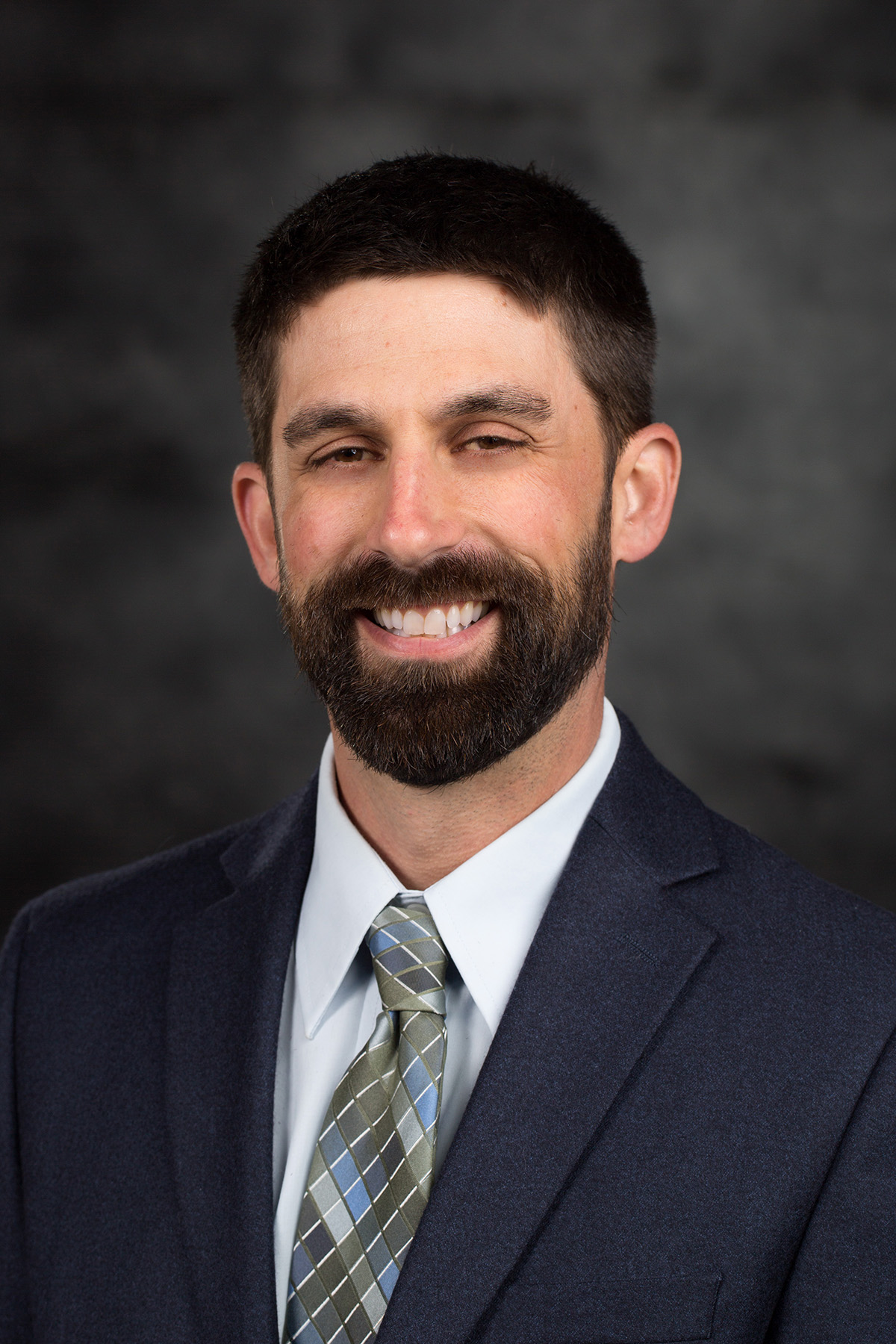
Sam Dennis serves as a Research Professor in the Department of Agricultural and Environmental Sciences at Tennessee State University's College of Agriculture. His career spans over three decades with faculty appointment since 1994, focusing on critical intersections of soil science and water resource management. His extension and research programs address pressing environmental challenges in agricultural landscapes across Tennessee and the broader region.
Education:
- Ph.D. in Plant & Soil Science from Alabama A&M University (Emphasis: Soil Physics/Environmental Soil Science)
- M.S. in Agricultural Sciences from Tennessee State University
- B.S. in Plant & Soil Science from Middle Tennessee State University (Minor: Mathematics)
Dr. Dennis's research program centers on environmental soil processes and water quality dynamics. His work employs field-scale monitoring of greenhouse gases, watershed-level pharmaceutical contamination tracking, down-well camera groundwater assessment, and vadose zone contaminant transport studies. This integrated approach addresses agricultural impacts on water resources through both empirical measurements and modeling frameworks, with particular emphasis on Middle Tennessee ecosystems. His extension efforts translate these findings into practical watershed management strategies for regional stakeholders.
Analysis of his publication record reveals consistent focus on agricultural environmental impacts, particularly greenhouse gas emissions from corn systems and water contamination pathways. His work combines field experimentation with modeling approaches to evaluate tillage practices, fertilizer management, and contaminant transport mechanisms across diverse spatial scales from soil columns to watersheds.
Scientific Awards:
- No specific awards documented in source materials
Dr. Dennis has mentored postdoctoral researchers including A. A. Amenyenu and Q. Deng, whose collaborative publications form significant portions of his recent output. He coordinates regional technology transfer conferences and multi-state training programs that enhance water resource management capacities across professional networks. His service includes USDA research and extension proposal review panels, contributing to national agricultural science funding decisions. Field monitoring infrastructure forms the backbone of his research operations, supporting long-term environmental observation in Middle Tennessee watersheds.