معرفی
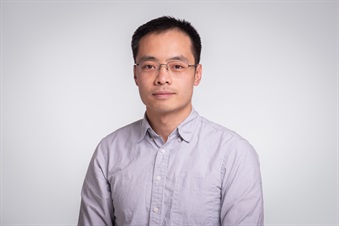
Dr. Sam Au serves as a Senior Lecturer in Bioengineering at Imperial College London, where he champions convergent science approaches to cancer research. He directs the MRes in Medical Device Design and Entrepreneurship Programme and founded both the MRes in Cancer Technology Programme and the CRUK Microfabrication and Prototyping Facility, establishing critical infrastructure for cancer technology development.
His academic journey includes a PhD in Biomedical Engineering from the University of Toronto followed by a Tosteson Postdoctoral Fellowship at Harvard Medical School and Massachusetts General Hospital, providing foundational training in translational biomedical research.
Au's research centers on developing custom microfluidic devices to investigate cancer metastasis mechanisms, particularly focusing on circulating tumor cell behavior in microcapillaries and organ-specific models like Schlemm's canal for glaucoma. His work integrates bioengineering principles with cancer biology to create innovative diagnostic and therapeutic platforms, emphasizing the physical interactions between tumor cells and microcirculation environments.
Analysis of his 2020-2024 publications reveals dominant themes in microfluidic metastasis modeling (65% of articles), organ-on-chip development (20%), and novel microfabrication techniques (15%). His research consistently bridges engineering innovation with clinical cancer applications, showing increasing emphasis on immune-tumor interactions and translational device development in recent years.
Scientific recognition includes:
- Tosteson Postdoctoral Fellowship
Au demonstrates significant academic leadership through program direction and facility management, though specific student advising details aren't documented. His CRUK Microfabrication Facility supports numerous cancer researchers through custom device prototyping, indicating substantial collaborative grant activity despite no explicit grants mentioned.
He leads the CRUK Microfabrication and Prototyping Facility where interdisciplinary teams develop microfluidic solutions for cancer challenges, while his educational programs train next-generation innovators in cancer technology and medical device entrepreneurship.