معرفی
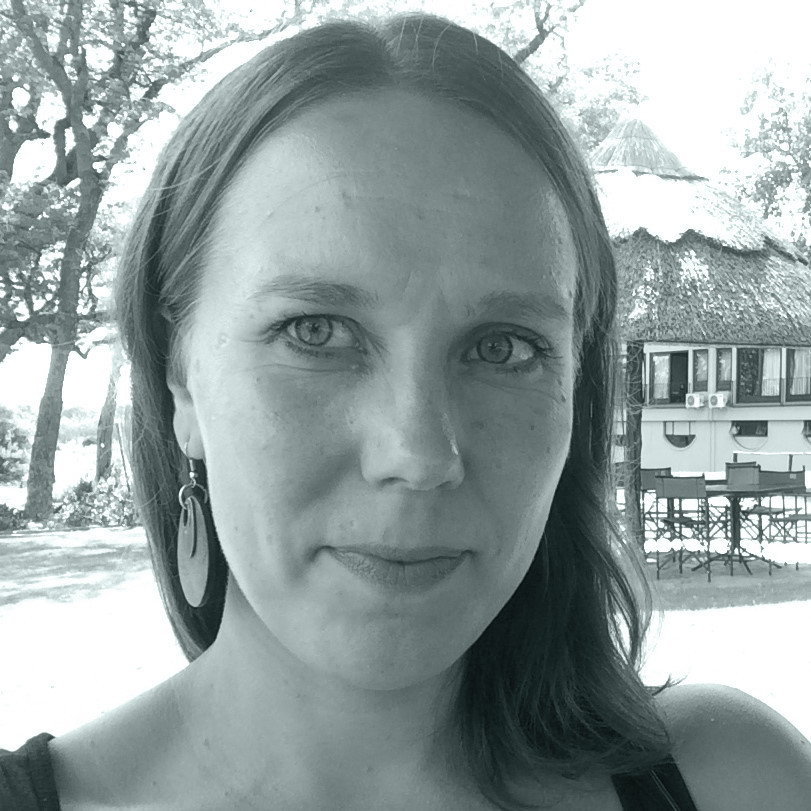
Saana Hansen is a social anthropologist and postdoctoral researcher at the University of Helsinki's Faculty of Social Sciences, Department of Social and Cultural Anthropology. Her research focuses on economies of care, displacement and migration, anthropology of the state and kinship, and politics of repair and reconciliation, with ethnographic focus on Northern Europe (Denmark, Greenland) and Southern Africa (South Africa, Zimbabwe).
Her educational background includes:
- PhD in Social and Cultural Anthropology from the University of Helsinki (2023), with distinction
- Master's degree in Anthropology of Development and Social Transformation from the University of Sussex
- Bachelor's degree in Social Anthropology from the University of Tampere
Saana Hansen's research explores how individuals and communities navigate care practices under conditions of displacement, migration, and state bureaucracy. Her work develops the analytical concept of "economies of care," which examines the interplay between material conditions, social relations, and bureaucratic systems in sustaining life across national borders. She investigates how citizens and state officials invent new forms of care amidst multiple crises, particularly focusing on transnational families, return migration, and postcolonial reconciliation processes.
Her recent publications reveal a strong thematic focus on the monetization of suffering in postcolonial contexts, transnational care practices among displaced populations, and the intersection of state bureaucracy with intimate kinship relations. Her work spans both the Global North (examining postcolonial child removals from Greenland to Denmark) and the Global South (studying Zimbabwean migration to South Africa), creating a comparative framework for understanding care economies across diverse political and historical contexts.
Saana Hansen has been actively involved in significant research projects including "Postcolonial Apology and Legacies of Problematic Pasts" and "Imagining Futures in the Margins of the State." Her grant-funded research demonstrates strong collaboration with international scholars and institutions, particularly in comparative studies of reconciliation processes regarding children's forced removal and migration regimes.
Her academic activities include numerous conference presentations, peer review work for journals, and participation in collaborative research initiatives examining state-care relations in urban communities across Zimbabwe and Trinidad and Tobago.