معرفی
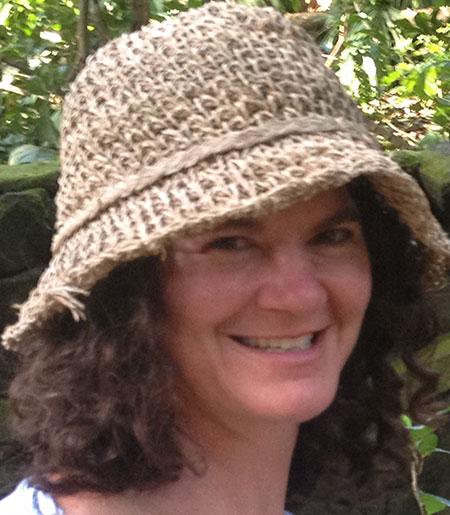
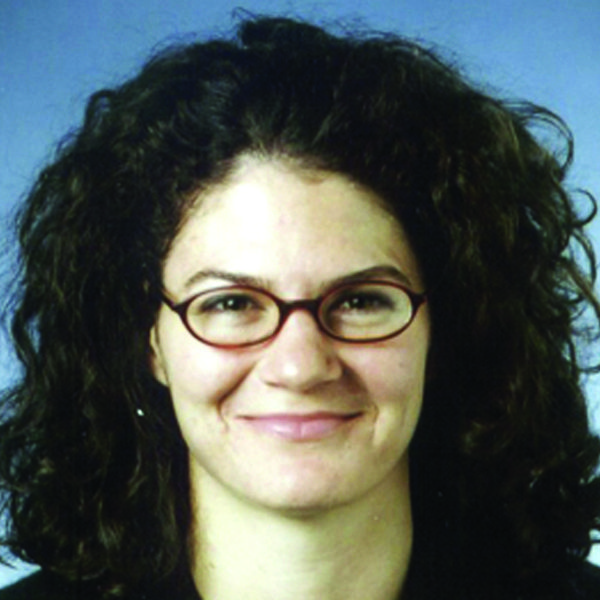
Ruth E. Richardson
Associate Professor at the School of Civil and Environmental Engineering, Cornell University. Specializes in applying molecular biological tools to study microbial communities for bioremediation, sustainable bioenergy, and environmental engineering. Research focuses on omics techniques (genomics, transcriptomics, proteomics) to understand microbial activities in environmental systems, such as Dehalococcoides ethenogenes for chlorinated ethene bioremediation and algae for biofuel production.
Education:
- B.S. in Chemical Engineering, Manhattan College (1994)
- M.S. in Civil Engineering, University of California, Berkeley (1995)
- Ph.D. in Civil Engineering, University of California, Berkeley (2001)
Research Interests: Molecular biology of microbial communities, bioremediation of chemical/microbial contamination, sustainable wastewater treatment, and algal biofuel systems. Techniques include qRTPCR, microarrays, and proteomic analysis. Key applications involve stress biomarkers in bioremediation and high-lipid algal strains for biofuel.
Publications: Recent work emphasizes genomic/proteomic analysis of microbial consortia, including Desulfotomaculum reducens and Dehalococcoides strains. Collaborative projects include integrating AI for microplastic analysis (2025 Nexus cover).
Awards:
- EPA SAB Environmental Engineering Committee appointment (2016)
- Cornell Teaching Award (2014)
- Excellence in Advising (2008)
Advising & Service: Faculty advisor for Engineers for a Sustainable World and Women’s Soccer Club. Supervises undergraduate research and leads the Richardson Lab. Active in Cayuga Lake Watershed Network, addressing hydrofracking and invasive species issues.
Labs/Teams: Richardson Lab investigates microbial processes in environmental systems, with a focus on sustainable technologies and field applications.