معرفی
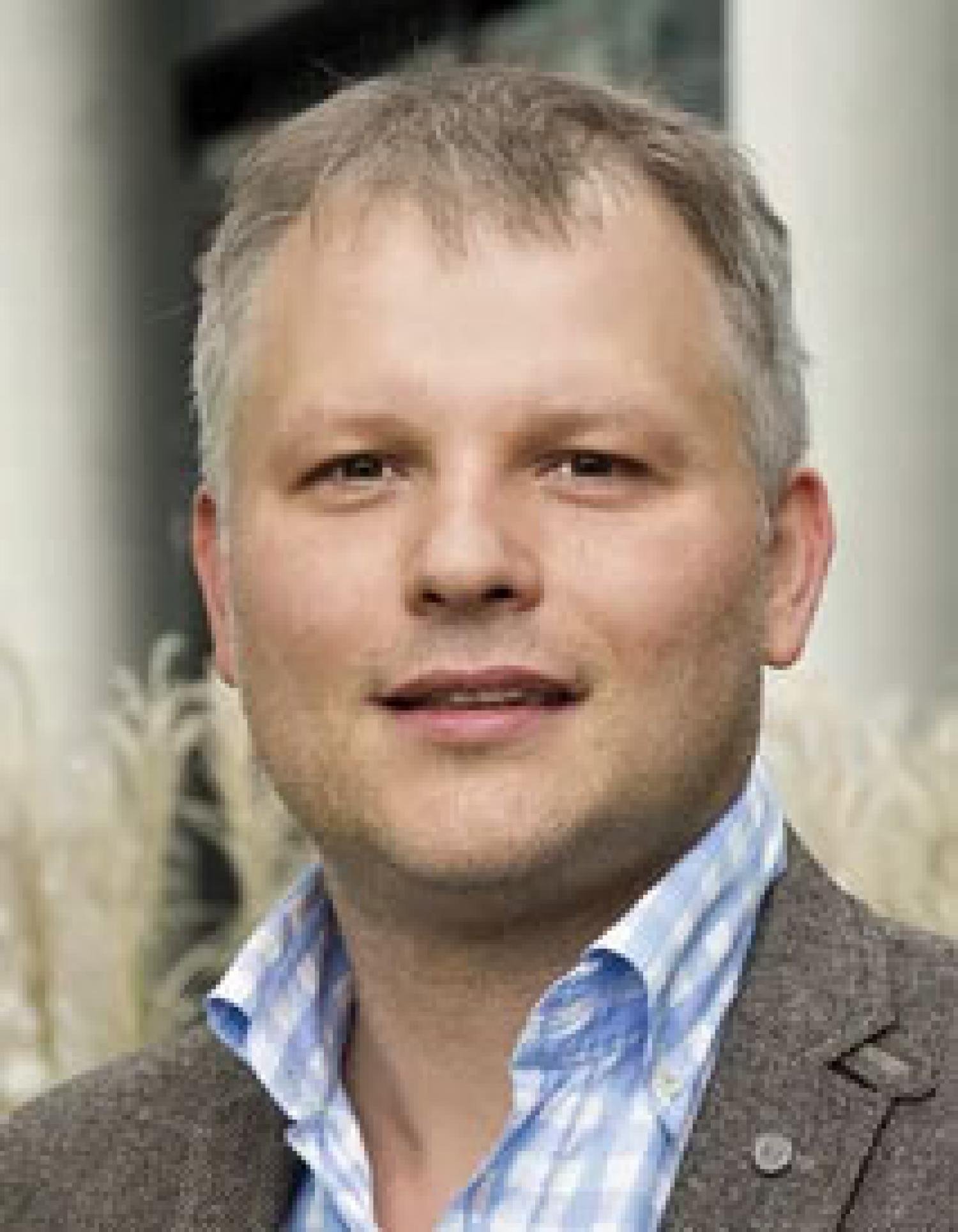
Roland Benoit is an Associate Professor in the Department of Psychology and Neuroscience at the University of Colorado Boulder, with a secondary affiliation at the Institute of Cognitive Science. He leads the Adaptive Memory Lab, focusing on memory suppression and future thinking mechanisms. Prior to joining CU Boulder, he was head of the Adaptive Memory Group at the Max Planck Institute of Cognitive and Brain Sciences in Leipzig. His academic journey includes a PhD in Cognitive Neuroscience from University College London (2010), followed by postdoctoral research at the MRC Cognition and Brain Sciences Unit (Cambridge) and Harvard University.
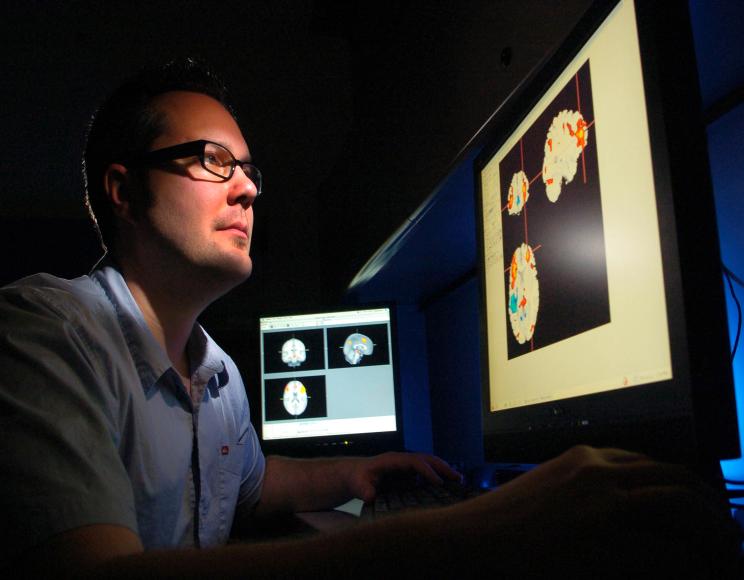
His research interests center on how humans suppress unwanted memories and generate future-oriented mental simulations. Key themes include the neural underpinnings of memory regulation, the role of reward systems in memory consolidation, and the adaptive functions of episodic thinking in decision-making. His work employs neuroimaging (fMRI, EEG), behavioral experiments, and computational modeling.
Benoit’s publications consistently explore the interplay between memory, emotion, and future planning. Recent trends show focus on the prefrontal cortex’s role in suppressing intrusive memories, the impact of stress on memory control, and the cognitive mechanisms enabling prospection. His lab’s contributions bridge basic neuroscience with clinical applications, particularly in understanding psychological disorders involving memory dysregulation.
His academic trajectory reflects a strong emphasis on interdisciplinary collaborations, as seen in meta-analyses of memory suppression efficacy and cross-laboratory neuroimaging initiatives. While no specific grants or awards are explicitly listed, his prolific publication record underscores sustained research excellence in cognitive neuroscience.
The Adaptive Memory Lab at CU Boulder continues to investigate how mental time travel (past/future simulations) shapes adaptive behaviors, with implications for education, mental health, and aging research.