معرفی
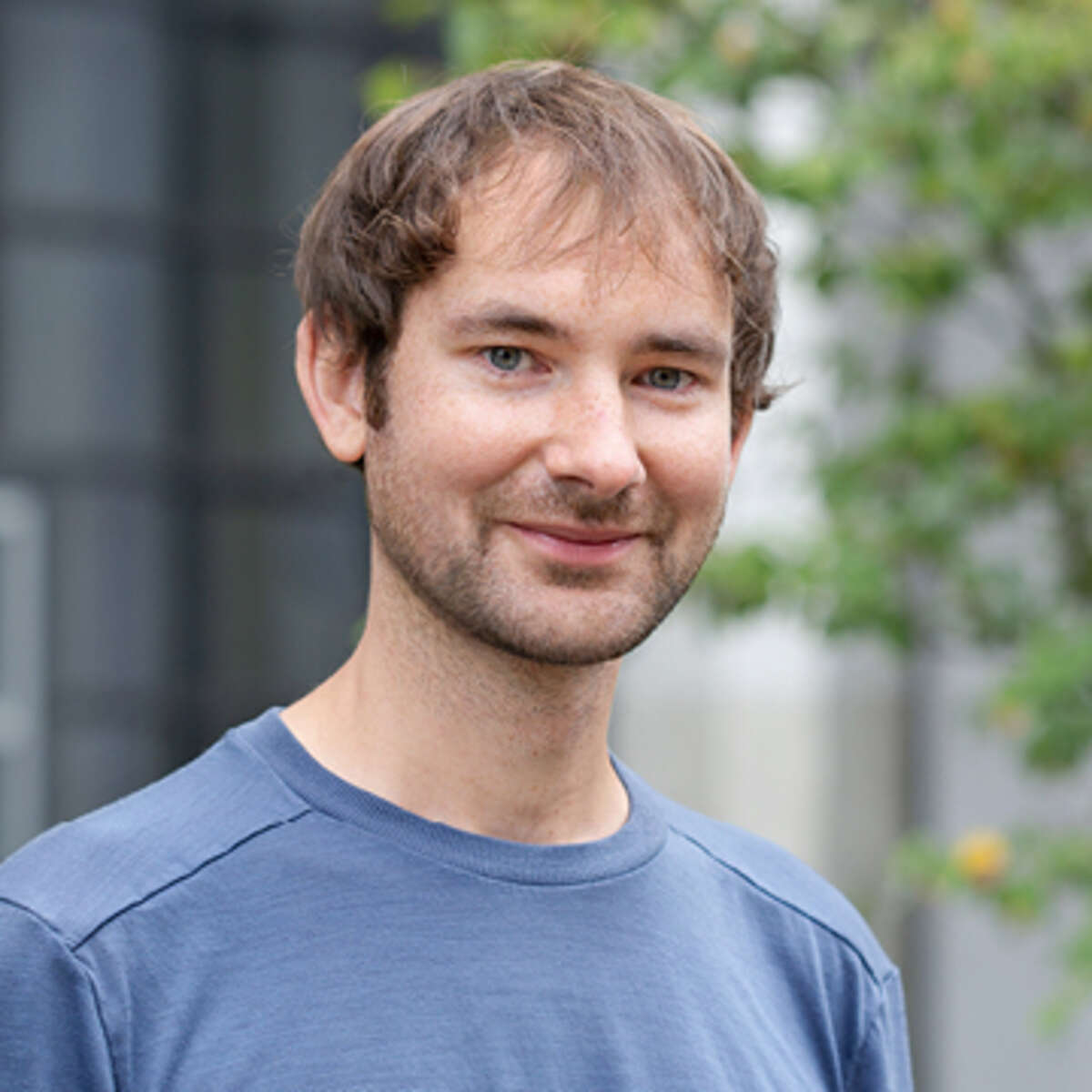
Rok Krasovec is a UKRI Future Leaders Fellow at the Division of Evolution, Infection and Genomics within the Faculty of Biology, Medicine and Health at the University of Manchester. He leads an independent research group investigating fundamental mechanisms of microbial evolution and antimicrobial resistance development.
After completing his BA and PhD in biology at the University of Ljubljana, Dr. Krasovec gained industry experience before joining the University of Manchester in 2011 for postdoctoral research in Chris Knight's laboratory. His exceptional work led to him being awarded the prestigious UKRI Future Leaders Fellowship in 2020, establishing him as an independent researcher.
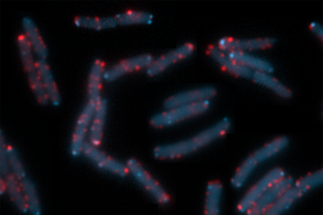
Dr. Krasovec's research program focuses on understanding how mutagenesis and DNA repair processes are influenced by cell-cell interactions in microbial communities. His laboratory employs advanced techniques including single-molecule fluorescence microscopy, live cell imaging, microfluidics, and fluctuation assays to study bacterial behavior at unprecedented resolution. Recent groundbreaking work has revealed neuron-like electrical signaling properties in bacterial biofilms, demonstrating sophisticated communication mechanisms within microbial communities.
Analysis of his recent publications shows a strong interdisciplinary approach bridging traditional microbiology with biophysics and computational modeling. His work primarily uses Escherichia coli as a model organism to investigate how environmental stressors like hydrogen peroxide, population density, and genetic factors influence mutation rates and evolutionary potential. This research has significant implications for understanding and combating antimicrobial resistance.
- UKRI Future Leaders Fellowship (2020)
Dr. Krasovec serves as Principal Investigator on the collaborative "Evolutionary mechanisms and dynamics" project that began in August 2016. His research has generated important datasets, including environmental and genetic influences on spontaneous mutations in E. coli, which has received significant attention across academic and social media platforms. While specific student names aren't listed, his supervised work includes two research projects.
His laboratory represents a cutting-edge interdisciplinary environment where microbiology intersects with biophysics and computational biology. The discovery of electrical signaling in biofilms suggests his team has developed specialized expertise in measuring and modeling complex microbial behaviors, opening new avenues for understanding microbial community dynamics and evolution.