معرفی
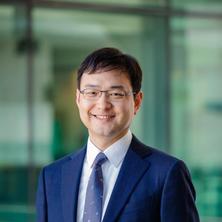
Dr. Rod Marshall is an Adjunct Associate Professor at the School of Dentistry, University of Queensland. His work focuses on periodontal disease mechanisms, systemic disease interactions, and oral health interventions. Key research themes include the relationship between periodontal health and rheumatoid arthritis, as well as the role of inflammation in implant and tissue regeneration. He has contributed to clinical guidelines such as Therapeutic Guidelines: Oral and Dental and has explored innovative therapies like platelet-rich plasma in periodontal regeneration. His research spans epidemiological studies, immunological pathways, and public health initiatives, including school-based anti-smoking campaigns. Dr. Marshall collaborates with institutions globally and has published extensively in journals like Journal of Periodontology and Journal of Clinical Periodontology.
- Education: Not explicitly listed in available texts, though his academic role suggests advanced dental training.
Research interests emphasize bridging oral and systemic health, with a focus on chronic inflammatory conditions. His studies highlight the bidirectional relationship between periodontal disease and cardiovascular/rheumatoid arthritis, as well as the impact of biomaterials and antimicrobial agents on oral health outcomes. Recent work explores anti-smoking interventions and implant surface design. Though no awards are cited, his prolific publication record underscores his leadership in periodontal research.
While no explicit grant details are provided, his involvement in COR3 (Center for Orofacial Regeneration, Reconstruction and Rehabilitation) at UQ suggests participation in interdisciplinary research teams. He has advised on clinical trials and has mentored researchers in periodontal microbiology and regenerative therapies. Dr. Marshall’s contributions to dental education include analyzing student career choices and practitioner attitudes toward periodontics.
He is part of the School of Dentistry’s academic community, contributing to both clinical practice and research initiatives in oral health innovation.