معرفی
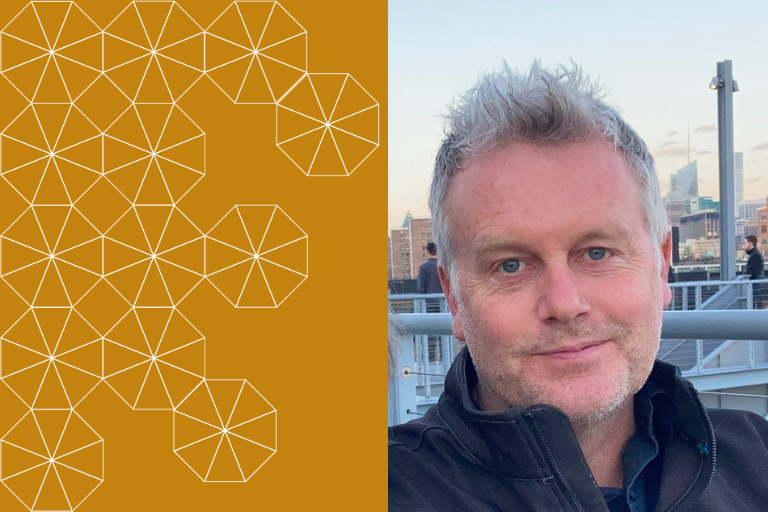
Robert DeCaroli is a Professor of Art History at George Mason University specializing in early South Asian Buddhism, Indian art history, and the intersection of material culture with religious practices. He holds affiliations with the Smithsonian Institution and has curated notable exhibitions like Encountering the Buddha. His research focuses on the formation of Buddhist iconography, popular religious practices, and ritual symbolism in early South Asia. He has authored influential books including Haunting the Buddha (2004) and Image Problems (2015), and co-edited volumes on Buddhism and sensory practices. His work bridges archaeological evidence with textual analysis, emphasizing the social contexts behind religious art.
DeCaroli has received prestigious awards such as the ACLS Buddhist Studies Fellowship and George Mason’s Teaching Excellence Award. His research has been supported by grants from the Asian Cultural Council and Getty Research Institute. He has taught courses on Asian art, cave temples, and museum studies, and actively engages in public outreach through Smithsonian programs and media interviews. His recent scholarship explores Nāga imagery, Buddhist rainmaking rituals, and inter-religious influences in early South Asia.
Key contributions include reinterpreting Ajanta and Bhaja caves’ artistic programs, analyzing the origins of the Buddha image, and studying the role of serpentine deities in Buddhist contexts. His interdisciplinary approach integrates art history, archaeology, and religious studies, making him a leading figure in early Buddhist material culture studies.