معرفی
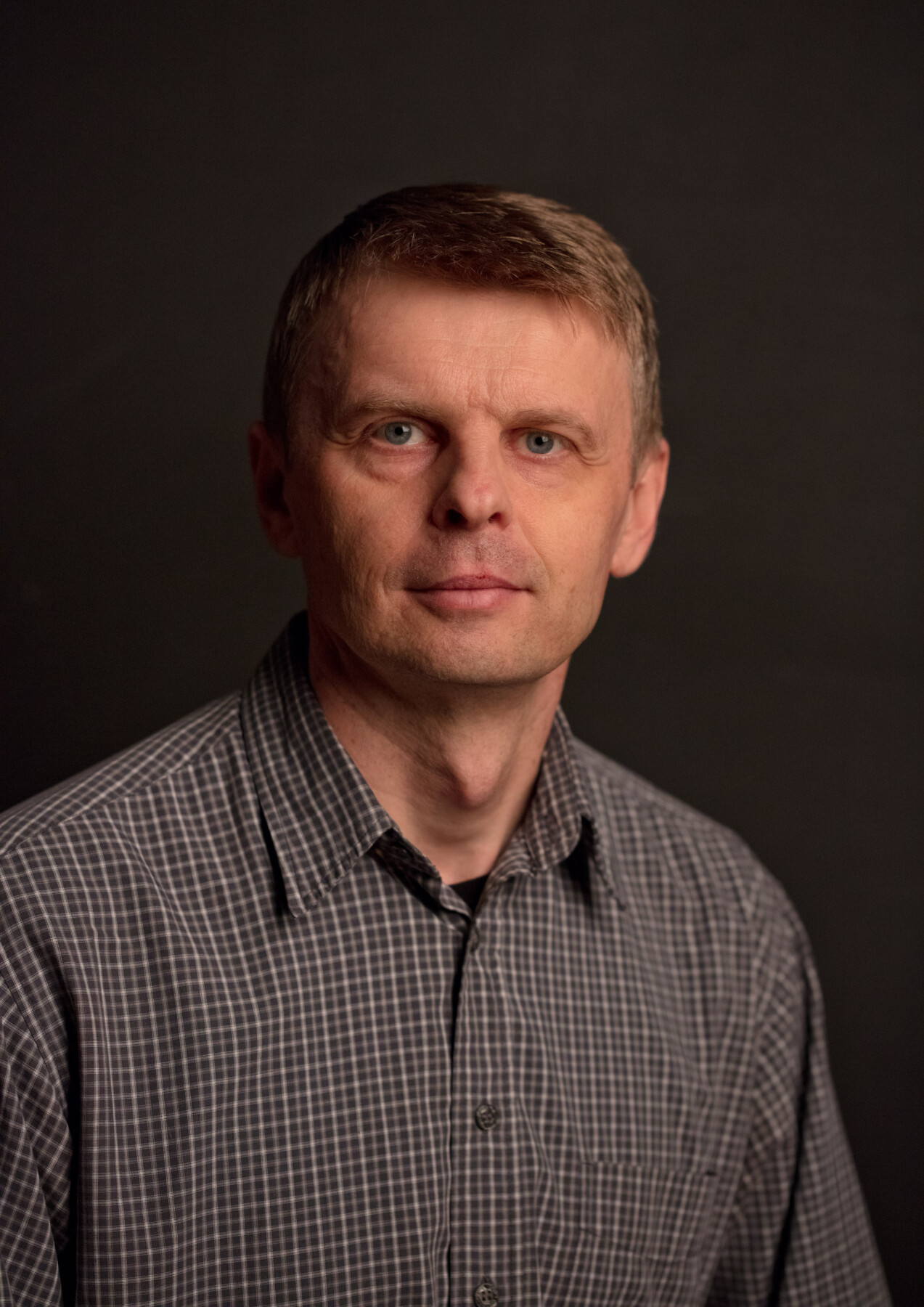
Richard Yerkes is a Professor at The Ohio State University's Department of Anthropology, specializing in prehistoric archaeology with a focus on Neolithic and Chalcolithic societies. His research integrates lithic analysis, settlement pattern studies, and geoarchaeological methods to explore cultural transitions, technological innovation, and resource management in regions including the Great Hungarian Plain, Levant, and North America. Yerkes leads projects such as the Körös Regional Archaeological Project (KRAP) and has conducted fieldwork in Cyprus, Israel, and Ohio's Hopewell sites.
Education details are not explicitly listed in the provided text, but his extensive publication record suggests advanced training in archaeological methodologies. His research interests emphasize interdisciplinary approaches, combining geophysical prospection, microwear analysis, and isotopic studies to reconstruct ancient lifeways. Yerkes' work frequently addresses topics like Neolithic tell formation, Copper Age social differentiation, and the functional analysis of lithic tools.
Recent publications (2014-2025) highlight studies on Hungarian Plain settlement dynamics, Levantine Neolithic tool use, and North American prehistoric tool technologies. While no specific awards are listed, his sustained contributions to archaeological theory and fieldwork methodology are evident through his prolific peer-reviewed output. Yerkes advises graduate students like Lawrence Mukusha and collaborates on projects involving remote sensing, geochemical sampling, and ethnoarchaeological frameworks.
Laboratory and fieldwork activities include lithic artifact analysis, soil phosphate mapping, and electrical resistivity tomography (ERT) for subsurface cultural deposit modeling. His research often bridges micro-scale tool use studies with macro-scale regional surveys to explain cultural processes like aggregation, dispersal, and technological innovation across millennia.