معرفی
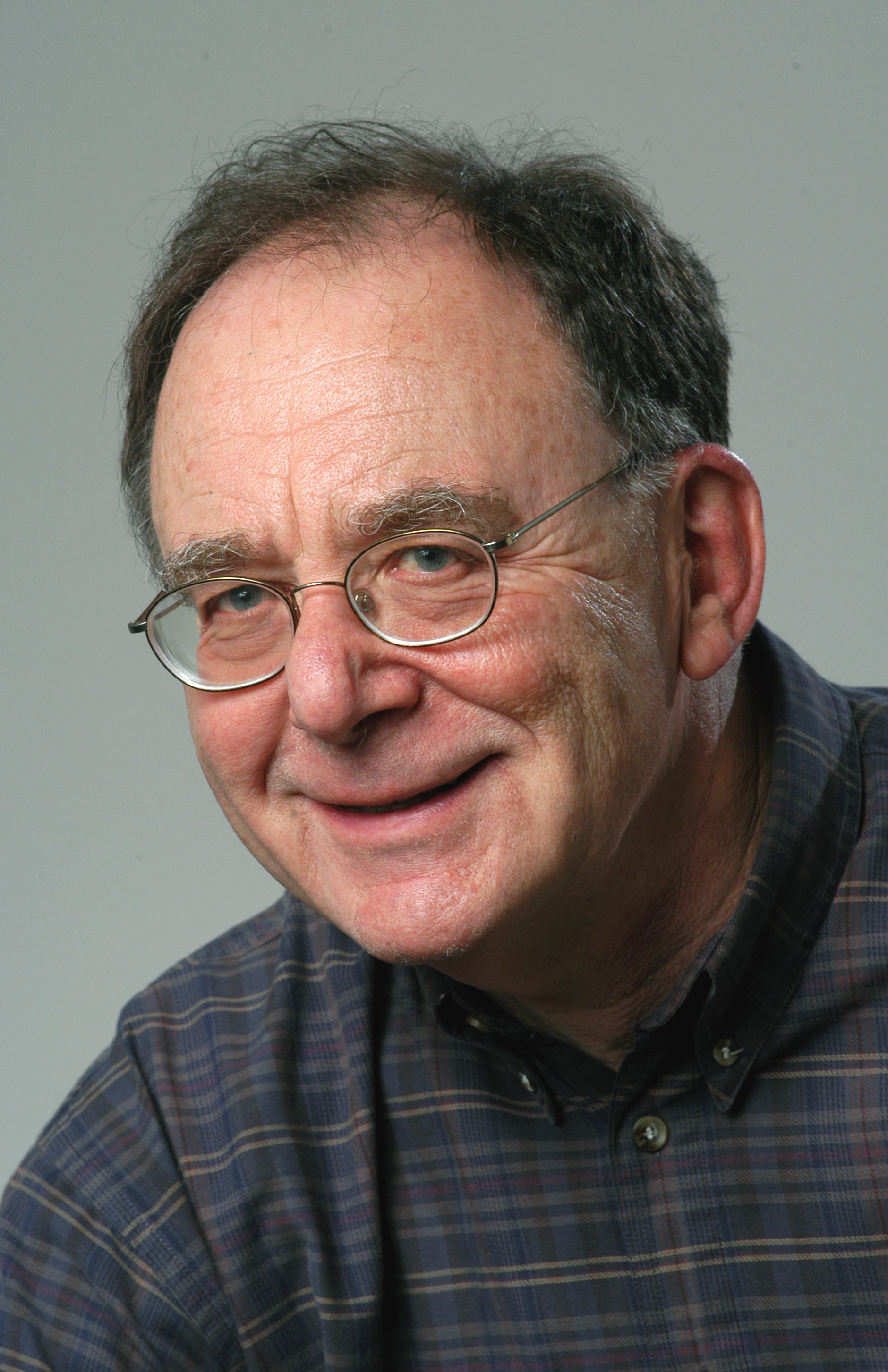
Richard M. Karp is a Professor at the University of California, Berkeley, holding the Class of 1939 Chair in the Department of Electrical Engineering and Computer Sciences within the College of Engineering. He has been affiliated with UC Berkeley from 1968-1994 and again from 1999 to present, and has also served as a Research Scientist at the International Computer Science Institute in Berkeley since 1988. His career spans over five decades, beginning with his time at IBM Research from 1959-1968.
His educational background includes a Ph.D. in Applied Mathematics from Harvard University (1959), an S.M. in Applied Mathematics (1956), and an A.B. in Mathematics (1955), all from Harvard.
Karp's research spans multiple domains with a focus on algorithmic methods in genomics and computer networking. His work integrates theoretical computer science with practical applications in biological systems. He has made significant contributions across three primary research areas: Biosystems & Computational Biology (BIO), Operating Systems & Networking (OSNT), and Theory (THY). His interdisciplinary approach connects computational theory with real-world problems in molecular biology, network design, and combinatorial optimization. His early work in theoretical computer science laid foundations for complexity theory, while his later work has focused increasingly on computational biology applications.
His research has been supported through affiliations with the Center for Computational Biology (CCB), Industrial Engineering and Operations Research (IEOR), and the Simons Institute for the Theory of Computing (SITC).
Among his numerous honors are the Turing Award, National Medal of Science, Kyoto Prize, Von Neumann Theory Prize, and membership in multiple prestigious academies including the U.S. National Academies of Sciences and Engineering, the American Philosophical Society, and the French Academy of Sciences.
Karp has supervised thirty-six Ph.D. students throughout his career, contributing significantly to the development of new generations of computer scientists. His work has been supported by numerous research grants across theoretical computer science, computational biology, and network theory. He has been instrumental in establishing interdisciplinary research programs that bridge computer science with biological sciences.
He has been actively involved with the International Computer Science Institute in Berkeley since 1988, contributing to research teams focused on theoretical computer science and its applications to biological problems. His work has often involved collaborative teams spanning multiple disciplines, particularly in the field of computational biology where computer scientists work alongside biologists and medical researchers.