معرفی
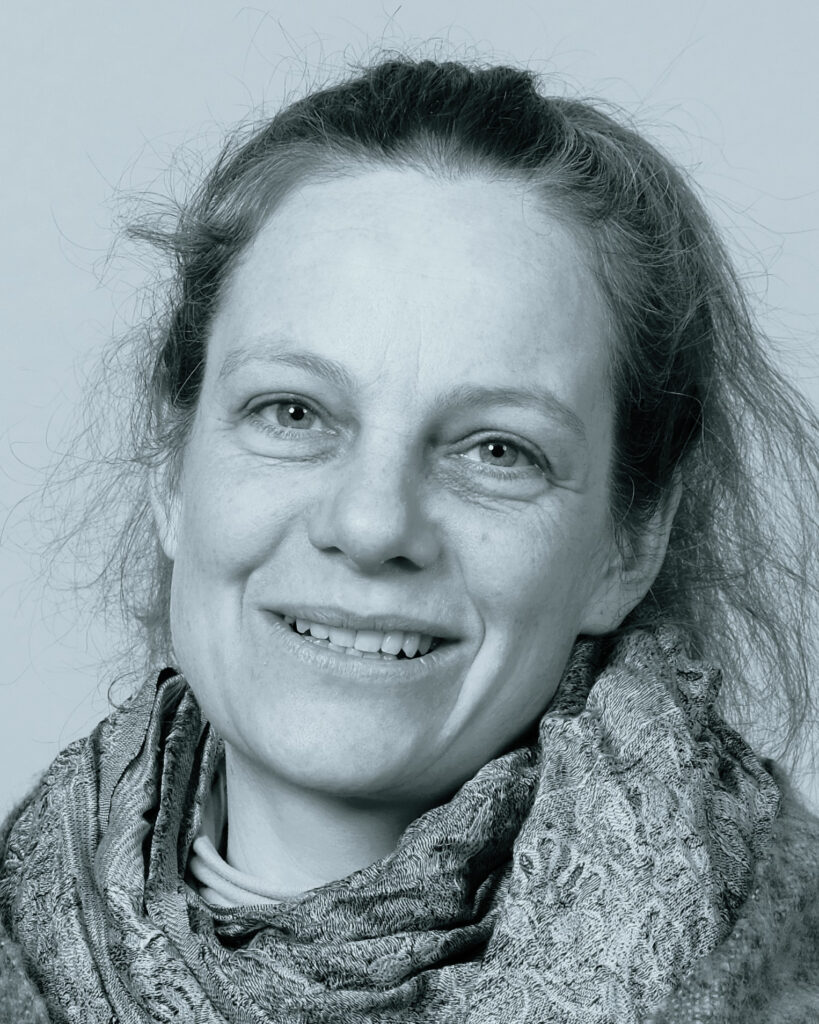
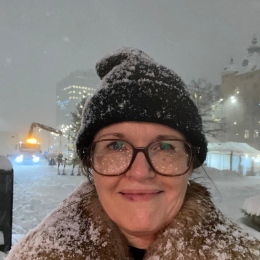
Renita Thedvall serves as Head of Department and Associate Professor in Social Anthropology at Stockholm University's Department of Social Anthropology, Faculty of Social Sciences. Her work bridges academic research with practical applications in public sector organizations, focusing on how policies are shaped, implemented, and experienced in bureaucratic settings.
Thedvall's research centers on policy and organizational anthropology, with special emphasis on the anthropology of bureaucracy. Her work explores how policies are shaped and presented through models, indicators, and standards, and how these are understood and performed by practitioners. She has conducted extensive field studies in the EU, Fairtrade International, municipal social service offices, and preschools, examining how EU bureaucrats, standards setters, social workers, and preschool teachers develop, understand, implement, and sometimes struggle with policies. A significant aspect of her research investigates meetings both as ethnographic objects and as sites of ethnographic inquiry, which she explored in the edited volume Meeting Ethnography: Meetings as Key Technologies of Contemporary Governance, Development and Resistance (2017).
Her publication record reveals a consistent focus on the implementation of management models (particularly Lean) in public sector settings, the anthropology of policy, and bureaucratic practices. Her research demonstrates how bureaucratic practices create and navigate gaps between organizations, how affective atmospheres shape public reform, and how management models travel from contexts like the automotive industry to public services like preschools. Her work consistently challenges simplistic understandings of policy implementation, revealing the complex negotiations, adaptations, and resistances that occur when models move across organizational boundaries.
Thedvall's research has practical implications for understanding how public sector reforms actually work on the ground, revealing both the promises and limitations of management models in contexts where human needs require flexibility that rigid planning often cannot accommodate. Her work contributes significantly to our understanding of contemporary governance through its focus on the mundane yet crucial practices of documentation, meetings, and everyday bureaucratic work.