معرفی
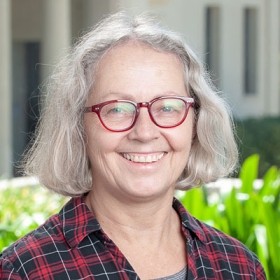
Renee Miller is a Professor in the Department of Brain and Cognitive Sciences at the University of Rochester, with a focus on instructional roles. She serves as Director of the Undergraduate Neuroscience Program and Co-Director of the Rochester Early Medical Scholars initiative. Her academic affiliation is within the School of Arts & Sciences.
Dr. Miller earned her PhD in 2005 from the University of Rochester, specializing in neurodegenerative disease research. Her career includes post-doctoral work on behavioral genetics in C. elegans, blending molecular biology with educational innovation.
Her research interests emphasize sex differences in brain and behavior, neurodegenerative mechanisms, and integrating clinical insights into undergraduate education. Courses taught include Neurochemical Foundations of Behavior, Neuroethology, and Biology of Mental Disorders, with a focus on fostering critical analysis of primary research. She employs immersive learning tools like simulated patients in Acquired Brain Disorders and grantsmanship training in Neuroethology.
Her teaching philosophy centers on preparing students for real-world challenges in science, including ethical dilemmas, equity issues, and science communication. As an advisor, she provides tailored guidance on research opportunities, study abroad, and career pathways. She emphasizes personalized mentorship to align student aspirations with academic experiences.
Renee Miller has no listed scientific awards but is recognized for her pedagogical contributions, including a 2013 book on cognitive biases in decision-making. Her research spans neurodegenerative diseases (e.g., Parkinson’s), behavioral genetics, and educational neuroscience, with over 15 peer-reviewed publications since 2004. She collaborates on interdisciplinary projects involving molecular mechanisms, animal models, and neuroethological studies.
Her advising and mentorship extend beyond academia, connecting students with fellowship opportunities, gap-year programs, and industry partnerships. While no specific labs are highlighted, her role in program leadership reflects active engagement with neuroscience education and outreach.