معرفی
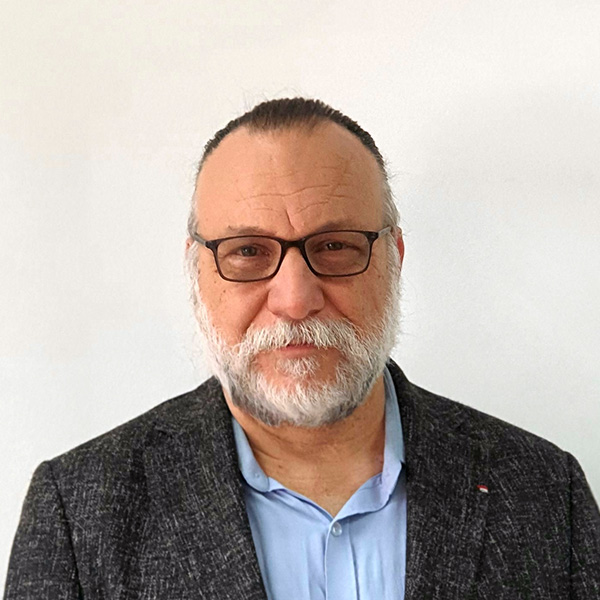
Raşit Bilgin is an Associate Professor at the Institute of Environmental Sciences, Boğaziçi University, Istanbul, where he has been serving since 2012. He previously held positions as Assistant Professor (2008–2012) and Instructor (2007–2008) at the same institute. His academic leadership includes serving as the Chair of the Department of Environmental Sciences.
Education:
- Ph.D., Department of Ecology, Evolution and Environmental Biology, Columbia University, USA (2006)
- M.Phil., Department of Ecology, Evolution and Environmental Biology, Columbia University, USA (2003)
- M.A., Department of Ecology, Evolution and Environmental Biology, Columbia University, USA (2002)
- M.S., Institute of Environmental Sciences, Boğaziçi University, Turkey (2000)
- B.S., Civil Engineering Department, Boğaziçi University, Turkey (1998)
His research lies at the intersection of molecular ecology, evolutionary biology, and conservation genetics, with a strong focus on environmental DNA and phylogeography. He investigates genetic patterns in marine and terrestrial species, particularly in Anatolia and the Mediterranean, aiming to understand biodiversity dynamics and inform conservation strategies. His work often integrates genomic tools with ecological modeling to explore population history and species resilience.
The recent publications highlight a consistent trend in using molecular markers—especially mitochondrial and nuclear DNA—to study population structure, historical demography, and species distribution. His research spans marine crustaceans, bats, and broader biodiversity assessments, reflecting a multidisciplinary approach combining field ecology, genomics, and computational tools.
Scientific Awards:
- No specific awards mentioned in the provided text.
Raşit Bilgin has been actively involved in research funding and project leadership, including TÜBİTAK 1001 and 2501 projects, as well as internal Boğaziçi University grants. These projects focus on conservation genomics of seabirds, coral disease resistance, and Antarctic amphipods. While direct student advising is not explicitly listed, his leadership in research projects suggests mentorship of graduate students. He has developed analytical tools like Kgtests, indicating a contribution to methodological advancements in population genetics.
He leads research initiatives involving multi-omics, acoustic monitoring, and GPS-GSM tracking, suggesting an interdisciplinary lab environment focused on innovative conservation technologies. His team likely includes researchers working on genomics, bioinformatics, and field ecology, particularly in extreme environments such as the Antarctic and Mediterranean ecosystems.