معرفی
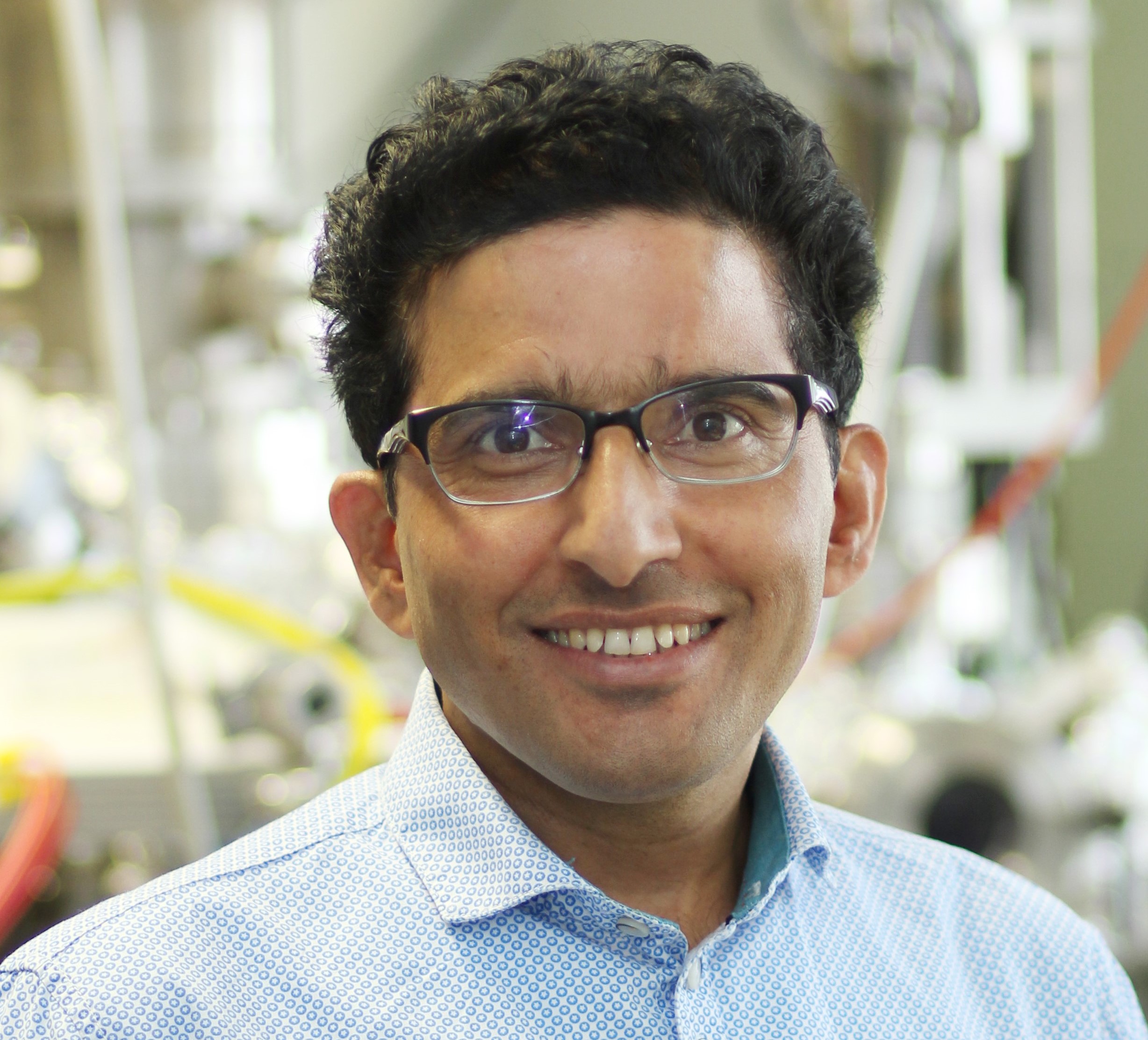
Rakesh Govind is a Professor in the Chemical and Materials Engineering Department at the University of Cincinnati, where he has served since 1979, progressing from Assistant Professor to full Professor. His career spans academia, industry consulting, and entrepreneurial ventures focused on environmental engineering solutions.
His educational foundation includes a BTech from the Indian Institute of Technology Kanpur (1974) and M.S./Ph.D. degrees in Chemical Engineering from Carnegie Mellon University (1977, 1978).
Dr. Govind's research pioneers biofiltration for odor/VOC control, bioremediation of contaminated sites, and membrane-based separation technologies. His work develops innovative systems for sustainable water reuse, resource recovery from waste streams (including PFAS and heavy metals), and industrial emission control. Key contributions include convective biofilters, biotrickling systems for odor abatement, and patented membrane processes.
Analysis of his 2014-2023 publications reveals persistent focus on decentralized water treatment, membrane performance modeling, and biological treatment of complex pollutants. His work consistently bridges fundamental chemical engineering with practical environmental applications, yielding commercial technologies.
His scientific recognition includes:
- Scientists Helping America (2002)
- Earth Day Award from Cincinnati Gas & Electric Company (1992-1994)
- Keynote Speaker at International Membrane Reactors Conference, Lyon (1994)
- Alfred Bodine Award from Society of Manufacturing Engineers (1992)
Dr. Govind has secured significant research funding including EPA grants for PFAS treatment ($41,904) and Berkeley Pit remediation ($59,957), plus industry consortia projects ($255,074). As Director of Chemical Engineering (2008-present) and ABET Committee member (2004-present), he shapes academic standards. His company PRD Tech, Inc. (founded 1996) commercializes odor treatment systems for municipalities and industries worldwide.
His leadership spans patented technologies for water purification, gas separation, and biotreatment systems, demonstrating sustained impact on environmental engineering practice.