معرفی
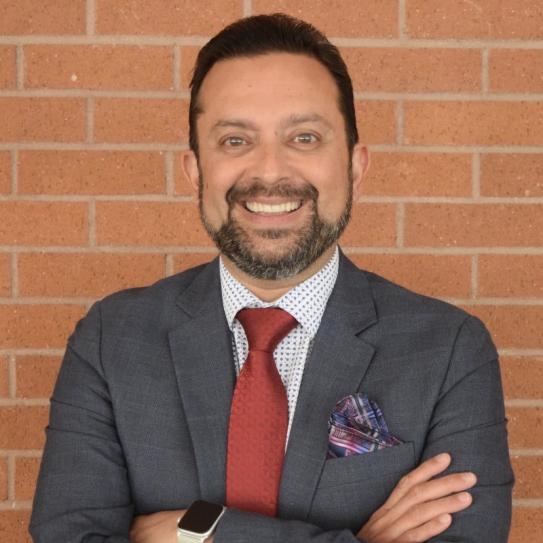
Rajesh Khanna is the Ph.D. Richard And Thelma O.C. Barney Term Professor and Director of the Center for Advanced Pain Therapeutics and Research (CAPToR) at the University of Florida. His primary research focuses on voltage-gated ion channels in chronic pain and neurodegenerative diseases, employing multidisciplinary techniques including mouse genetics, electrophysiology, and behavioral analysis. Key areas include CRMP2 regulation, SUMOylation pathways, and the development of small-molecule therapeutics targeting NaV1.7 and CaV channels. His work bridges basic neuroscience with translational pain management strategies, particularly in osteoarthritis, neuropathic pain, and neurodegenerative disorders like Alzheimer’s.
- Education: Ph.D. in Pharmacology (not explicitly stated but inferred from title)
Research interests emphasize the molecular mechanisms underlying pain chronification, with a focus on ion channel trafficking, glial-neuronal interactions, and neuroinflammation. Recent studies explore CRMP2’s role in mitochondrial dynamics and spinal T lymphocyte regulation, alongside novel analgesics targeting VEGFA and neuropilin-1 pathways. His lab also investigates light-based therapies and CRISPR-mediated gene editing in pain models.
Publications from 2025 highlight advancements in CRMP2-Ubc9 inhibitors, conotoxin analgesics, and the role of clock genes in osteoarthritis pain. His work spans preclinical models across rodents, cats, and human-derived neurons, with clinical implications for migraines, fibromyalgia, and NF1-related pain syndromes.
Grants and collaborations are implied through his directorship of CAPToR and involvement in porcine models of neurofibromatosis. Future directions include developing CRMP2-based therapies, exploring light therapy applications, and investigating neuroimmune interactions in chronic pain states.