معرفی
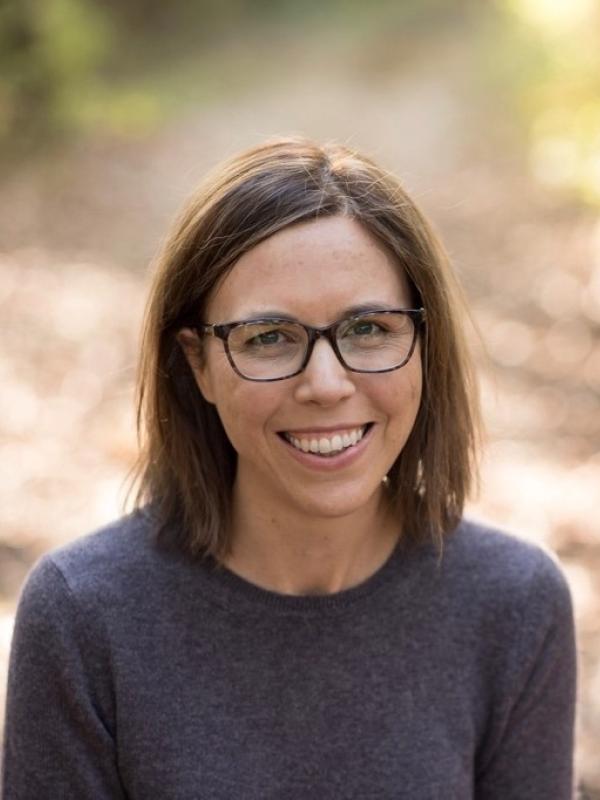
Dr. Rachel Anderson is a Senior Lecturer in Psychology at the University of Hull, where she has been a faculty member since 2010. She completed her PhD at Goldsmiths, University of London in 2007 and previously held positions at Leeds Beckett University and the Institute of Psychiatry, Psychology, and Neuroscience.
Her academic affiliations include:
- Department of Psychology, University of Hull
- Centre for Psychological Science
- Cognition and Development Research Group
Dr. Anderson's research primarily focuses on the intersection of memory and future thinking, with particular emphasis on how these cognitive processes are affected in emotional disorders like depression. Her work explores several key areas:
- The cognitive processes underlying memory and future thinking, including their similarities and differences
- The functional purpose of memory and future thinking in relation to sense of self, psychological well-being, and goal-oriented behavior
- The relationship between memory/future thinking impairments and psychological distress
- The role of these cognitive processes in chronic health conditions such as Parkinson's disease
- Potential therapeutic applications of memory and future thinking for promoting psychological and physical well-being
Dr. Anderson has published extensively from 2007-2024, with recent work focusing on emotional anticipation in depression, visual imagery effects on memory, and physical activity memories. Her publications reveal a consistent research trajectory examining how memory and future thinking interact with emotional states, particularly in depressive disorders, with significant implications for understanding cognitive mechanisms underlying emotional disorders.
Dr. Anderson has made notable contributions to understanding how episodic simulation affects future expectancies, how memory biases operate in depression, and how visual imagery influences both prospective and autobiographical memory processes. Her work bridges fundamental cognitive psychology with clinical applications.
As an educator and mentor, Dr. Anderson actively supervises PhD students whose research aligns with her interests in false memories, autobiographical memory, and emotional disorders. She has successfully guided multiple students to completion while maintaining an active research program.