معرفی
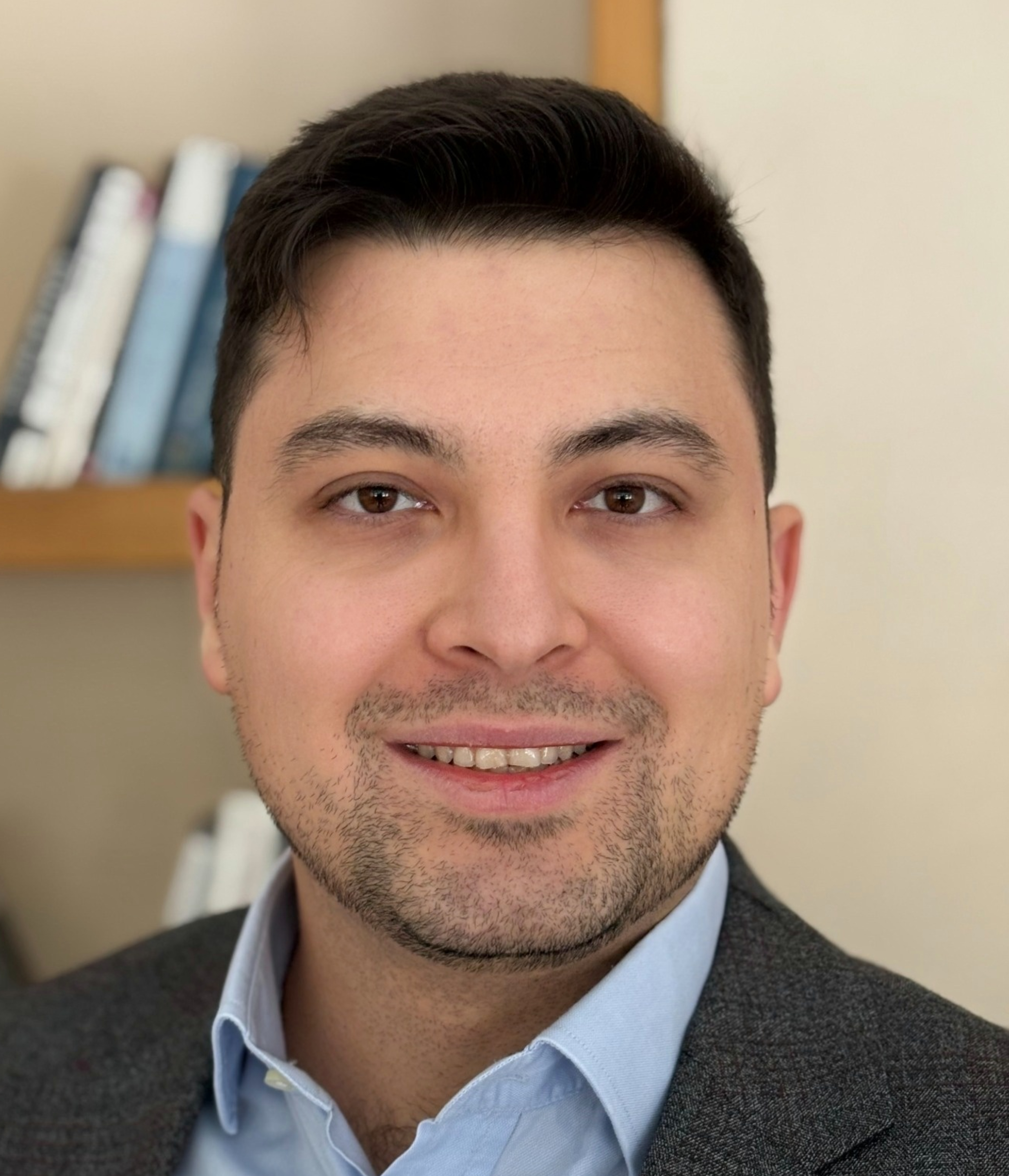
Quentin Boehler is a Senior Research Fellow at the Multi-Scale Robotics Lab at ETH Zurich, specializing in magnetic actuation for medical robotics. His research focuses on the development and analysis of electromagnetic navigation systems and soft magnetic robots for medical applications.
Education:
- M.S. in Mechatronics from INSA Strasbourg (2013)
- Ph.D. in Robotics from ICube laboratory, University of Strasbourg (2016)
Boehler's research interests span across medical robotics, with a particular emphasis on magnetic actuation techniques for minimally invasive procedures. His work combines principles from robotics, electromagnetism, and medical engineering to develop novel systems for clinical applications. Key areas include electromagnetic navigation systems, soft magnetic robotics, MR-compatible devices, and variable stiffness mechanisms. His research has significant implications for improving precision and safety in medical procedures such as endoscopy, catheterization, and surgical interventions. Analysis of his publications shows a consistent focus on translating theoretical robotics concepts into practical medical applications, with particular attention to navigation precision and device functionality in clinical settings.
Dr. Boehler's scientific contributions have been recognized with the Best Thesis Award from the research commission of the University of Strasbourg and the First prize at the 2016 Ph.D. thesis awards from GDR Robotique. His work has resulted in numerous high-impact publications in journals such as Science Robotics, Nature Communications, and IEEE Transactions on Robotics.
As a key member of the Multi-Scale Robotics Lab at ETH Zurich, Boehler contributes to advancing the field of medical robotics through innovative research and development. His work bridges the gap between theoretical robotics and practical clinical applications, with a focus on creating technologies that can be translated to real-world medical settings. His research demonstrates strong interdisciplinary collaboration with medical professionals and engineers to address clinical challenges through robotic solutions.