معرفی
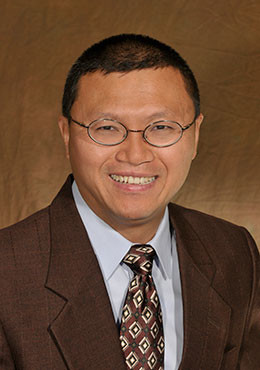
Qiang He is a Professor in the Department of Civil and Environmental Engineering at the University of Tennessee, Knoxville, within the College of Engineering. His research centers on environmental microbiology, biological treatment processes, water and wastewater quality, and renewable energy systems. He is actively engaged in advancing sustainable solutions for environmental challenges through microbial biotechnology.
- PhD in Environmental Engineering, University of Illinois at Urbana-Champaign, 2003
- MS in Biological and Agricultural Engineering, Kansas State University, 2000
- BS in Biochemical Engineering, East China University of Science and Technology, 1993
Dr. He's research interests span environmental microbiology, anaerobic digestion, microbial ecology, and bioremediation. He investigates microbial community dynamics under stress conditions, such as in sulfate-reducing bacteria and methanogens, with applications in wastewater treatment and bioenergy production. His work integrates systems biology approaches to understand microbial responses to environmental stressors like nitrate, salt, and oxidative conditions.
His recent publications (2013–2015) demonstrate a strong focus on microbial processes in anaerobic digestion, particularly methanogen population dynamics and quantification. Other themes include carbon sequestration in soils, antibiotic degradation in manure, bio-oil production, and microbial responses to nutrient and climate stressors. Collectively, these works highlight a transdisciplinary approach combining molecular biology, environmental engineering, and systems microbiology.
Dr. He has not been explicitly associated with any named scientific awards in the provided text.
He has collaborated extensively with leading scientists including Jizhong Zhou, Terry Hazen, and Judy Wall, particularly in large-scale microbial genomics and stress response studies. Although specific grant details are not listed, his research appears supported by collaborations with major DOE labs and environmental biotechnology initiatives. He has co-authored numerous high-impact publications, often involving interdisciplinary teams.
His research is associated with advanced microbiological and environmental engineering laboratories at the University of Tennessee, focusing on microbial genomics, anaerobic bioreactors, and environmental bioprocesses. These labs support research in bioenergy, bioremediation, and sustainable water systems.