معرفی
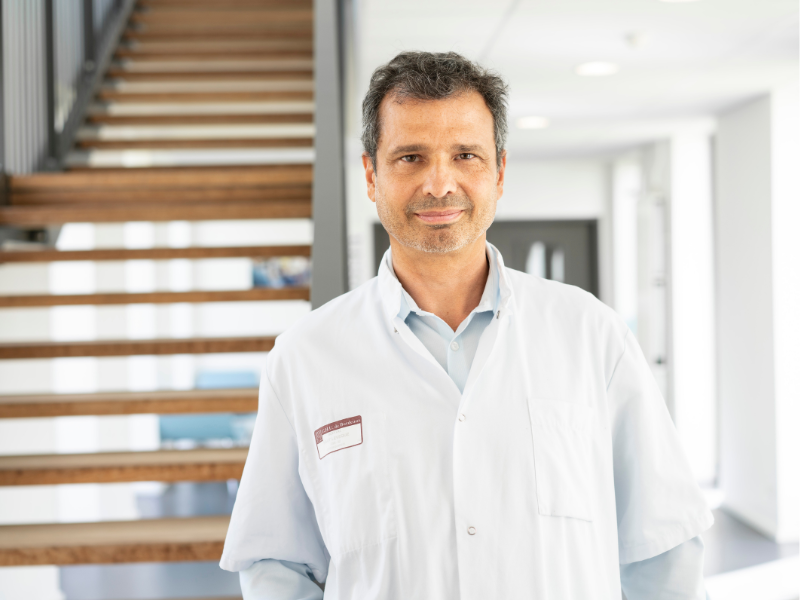
Pierre Qian is an Associate Professor at the Westmead Clinical School, University of Sydney, and Westmead Applied Research Centre. He is a clinician scientist specializing in the treatment of heart rhythm disorders using minimally invasive catheter ablation techniques.
His research interests focus on the development of new ablation technologies and procedural techniques for cardiac conditions. Qian's work explores various energy sources including radiofrequency current, microwave, electroporation, and high energy photons for ablation therapy. His team designs medical devices at the Westmead Hospital Cardiology Workshop, testing prototypes on phantom tissue models and in large animal models for iterative development and validation. A significant area of innovation involves using stereotactic body radiotherapy to target cardiac scar tissue for treating lethal rhythm disorders in patients with heart disease.
Qian's research publications demonstrate a strong focus on translational applications, with recent work examining cardiac stereotactic body radioablation therapy, impedance monitoring during ablation procedures, and novel microwave ablation technologies. His publication record shows consistent contributions to leading cardiology journals with emphasis on both clinical applications and technical innovations in cardiac ablation.
- Young Investigator Award (Heart Rhythm Society) 2020
- Young Author Award (American College of Cardiology) 2020
- Ralph Reader Prize in Clinical Sciences (Cardiac Society of Australia and New Zealand) 2018
- Bushell Traveling Fellowship from the Royal Australasian College of Physicians
Qian leads a translational biomedical engineering team at Westmead Hospital supported by an NHMRC Investigator Emerging Leader grant and National Heart Foundation Future Leader Fellowship with Paul Korner Award. His research program includes multiple current projects focused on microwave renal artery denervation for hypertension, optimizing radiofrequency ablation, microwave ventricular ablation, tissue impedance measurement, and non-invasive treatment of cardiac scar tissue using high-energy photons. He has supervised research students including Arian NASSER working on cardioid culture systems for modeling atrial fibrillation and thrombosis.