معرفی
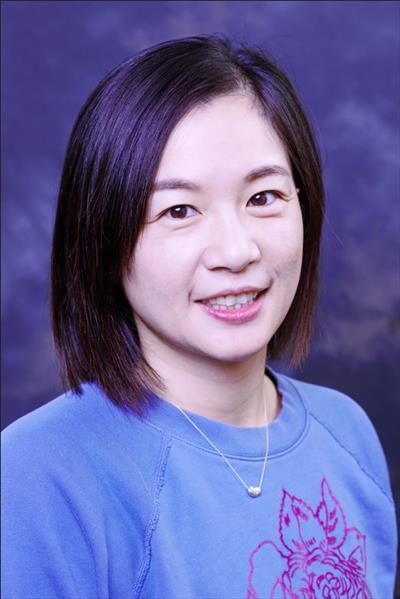
Professor Philipp Seib is a Visiting Professor at the Strathclyde Institute of Pharmacy and Biomedical Sciences, University of Strathclyde, and a SULSA (Scottish Universities Life Science Alliance) Visiting Professor. His research spans the nano- to macro scale with a focus on biomaterials, particularly silk, for applications in drug and cell delivery.
Professor Seib's research program integrates fundamental biomaterials science with translational applications. His work can be divided into bottom-up, curiosity-driven research and top-down, challenge-based activities:
- Silk-based drug delivery systems for tissue engineering and therapeutic applications
- Advanced drug delivery systems and cellular responses to nanomedicines
- Engineering cellular microenvironments for stem and cancer cells
- Development of three-dimensional culture systems mimicking native tissue environments
- Engineering artificial in vivo stem cell niches as "traps" for circulating tumor cells
His research demonstrates a clear progression from basic biomaterials characterization toward clinical applications, particularly in cancer therapy and regenerative medicine. The integration of silk's remarkable physical properties (tougher than manmade fibers) with advanced drug delivery mechanisms represents a significant contribution to biomaterials science.
Professor Seib has received notable recognition for his work:
- Fellow of The Academy of Pharmaceutical Sciences of Great Britain (2021)
- Fellow Leibniz Institute of Polymer Research Dresden (2018)
Professor Seib actively supervises research and secures competitive funding. He serves as Principal or Co-Investigator on multiple significant projects including NMR-BASE, Establishing cerebral organoids as a human model of stroke, and Multiscale Metrology Suite for Next-generation Healthcare Technologies. His laboratory (www.SeibLab.com) develops silk-based hydrogels, nanoparticles, films, and scaffolds processed under mild aqueous conditions for biomedical applications.
The Seib Lab operates at the intersection of biomaterials science, drug delivery, and tissue engineering, with research contributing to UN Sustainable Development Goals related to health and well-being. His fingerprint of research activity shows strong connections to mesenchymal stem cells, drug delivery, bone biology, therapeutic procedures, nanoparticles, and in vitro studies.